
Review · COOKING CLASSES
Cooking class in Srilanka
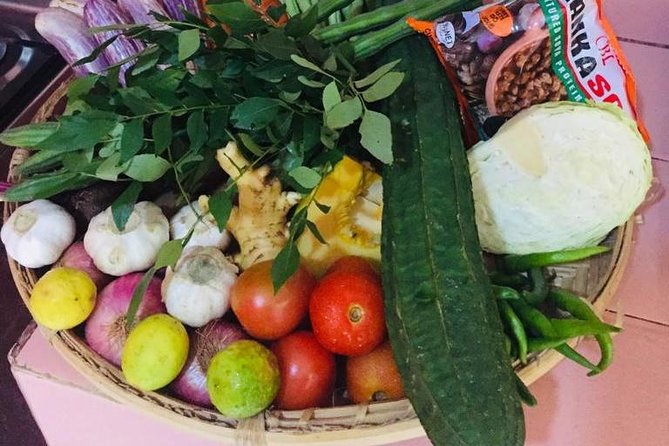
Cooking in clay pots beats any restaurant lesson. I like how hands-on this class is, because you cook side by side instead of just watching. I also love that it focuses on authentic Sri Lankan style, with the chef explaining what you are doing and why, including spices.
One thing to plan for: it runs about 3 hours and it is best when the weather cooperates, since the experience notes good-weather requirements.
Key Takeaways Before You Book
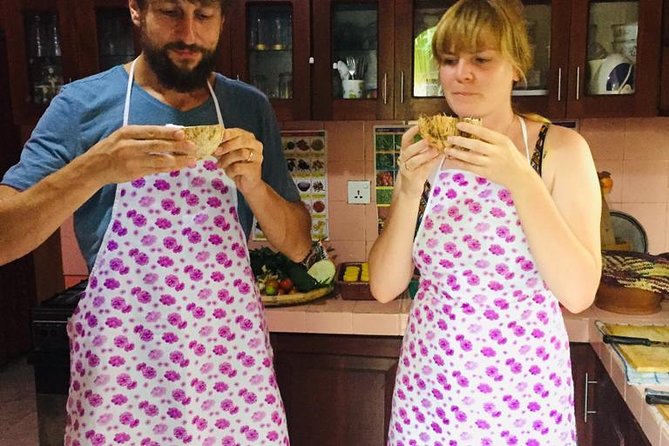
- 10 dishes plus traditional desserts, so you go beyond one or two “samples”
- Clay-pot cooking, which changes flavor and texture as you cook
- Private class setup, only your group participates
- Chef-led explanations while you cook, so you are learning technique, not memorizing steps
- Menu provided, which helps you follow along as you work
- Colombo meeting point in Angoda, near public transportation for easier arrival
Kitchens in Colombo that will teach you the curry
- Colombo Cooking Class
★ 5.0 · 151 reviews - Market Tour and Hands-On Cooking Class Colombo
★ 5.0 · 140 reviews - Colombo Cooking Experiance with Explore Market
★ 4.7 · 33 reviews - Authentic Sinhalese Cooking Class in Colombo with a Local Family
★ 5.0 · 9 reviews
Colombo Cooking Class, 3 Hours in a Real Kitchen Setting
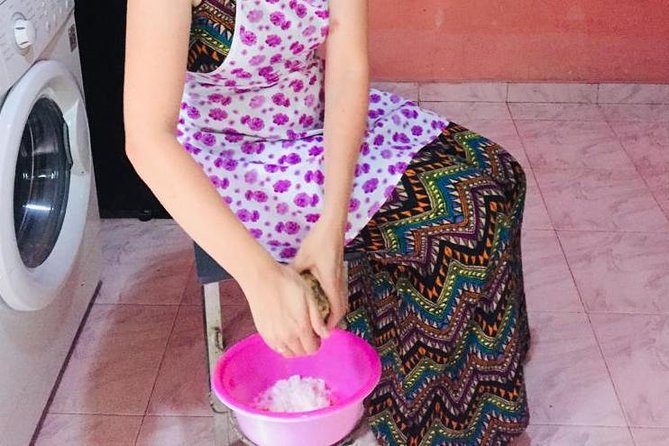
This is the kind of cooking class that feels more like you got invited into a real home kitchen than like you’re sitting in a polished studio. In Colombo, the big draw is the format: you cook. Not just prep a garnish. Not just stir something for a minute. You take an active role in making a spread, and the chef guides you through the process in an authentic Sri Lankan style.
At a glance, it is a 3-hour experience that uses clay pots for cooking. That matters, because clay cooking is not just a novelty prop. Clay pots hold heat differently than metal or glass, and that can affect how long ingredients cook down and how flavors come together. Even if you are new to Sri Lankan food, you’ll get a clear sense of how the method shapes the final result.
The private-group setup is another practical win. You’re not sharing the teacher’s attention with strangers, so questions and small fixes feel easier. If you like learning by doing, this is a format you will probably enjoy.
What You’ll Make: 10 Dishes, Traditional Desserts, and Spices
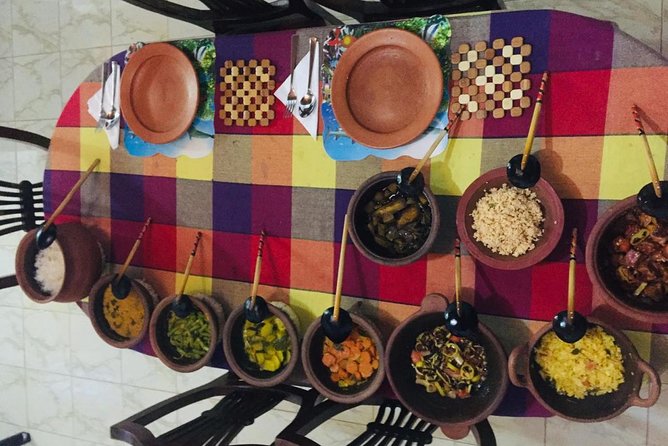
The class is built around making about 10 different dishes, plus traditional desserts. You will not just taste food and call it a day. You’ll cook those dishes yourself, which is where most value comes from, since cooking classes are really about technique transfer.
From the way the class is described, the chef also walks you through what you’re making while you’re making it. You also learn about Sri Lankan spices, and that can be the difference between eating a delicious meal and understanding how to recreate it later. Spices in Sri Lanka are used with intention, not as an afterthought, and you’ll get to see how they fit into curries and desserts during actual cooking, not in a quick lecture.
One review highlights the scale in a specific way: cooking duties for 10 curries together as part of the meal. That is a helpful signal. It suggests the class is structured for real output, not a token “curry moment.” If you are the kind of person who wants to leave with a stomach full of food and a head full of methods, this structure is exactly the point.
About the desserts: they are part of the plan, and that helps balance the meal. Many classes focus heavily on savory dishes and treat dessert as an afterthought. Here, you should expect traditional desserts to be woven into the experience.
The Flow of the Class, Step by Step in Real Time
Because the experience runs for about 3 hours, the pacing tends to be tight but doable. You start at the Colombo Cooking Class meeting point in Angoda. Then you move into a cooking rhythm where you are responsible for the dishes, and the chef supports you as you go.
Here’s what the typical flow means in practice, based on how the class is described:
1) Arrive, get oriented, and start with the chef’s guidance
You’ll have a menu for the class. That sounds small, but it’s useful because it lets you see what comes next and helps you connect each dish to the overall meal. The chef’s explanations are part of the experience, and you’ll get the authentic Sri Lankan style coaching while you cook.
Other Colombo workshops with something to take away
2) Hands-on cooking, with you doing the work
The core idea is simple: clients make the dishes by themselves. The chef explains everything during the cooking process. This is what turns a food tour into a skills lesson. If you are used to food being presented to you, this flips the script.
3) Clay pots in action
Using clay pots likely means you are cooking with careful heat management and watching ingredients change over time. Clay pot cooking can be slower and more hands-on than quick stovetop methods. The payoff is that the dishes taste like they were cooked the way locals cook, not like everything was engineered for a short class demo.
4) Traditional desserts at the end
By the time you reach desserts, you’ll have a stronger sense of the flavors in the meal. Learning spices during the savory dishes also helps you notice what dessert tastes like in Sri Lankan terms, not just as something sweet.
5) Meal together, with the food you made
Even without extra details, the class description clearly points toward you producing a full meal. Reviews emphasize a really amazing meal and a home-family vibe. In other words, you should treat this as a true dining event, not just a workshop where the cooking is separate from eating.
Why Clay Pots and Home-Style Cooking Are the Real Lesson
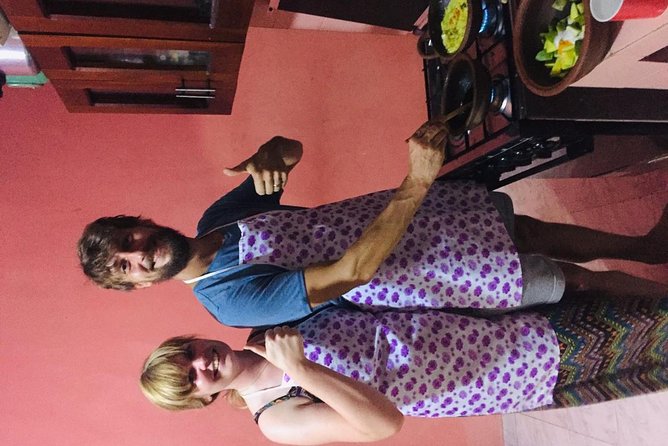
It’s easy to buy a cooking class because you want recipes. The bigger value is learning the logic of the cooking.
Clay pots are one reason this class has a “real kitchen” feel. In many restaurant kitchens, you cook in metal pans, and the heat moves fast. In clay, heat behavior is different, so you often get more gentle cooking and a distinct depth of flavor.
The home-style side is also important. One review calls out the experience as a home, a real family, and a hands-on shared meal setup. When that’s the atmosphere, you tend to learn how people cook day to day, not just how someone performs for a class. You also get a better sense of how spices are used in everyday Sri Lankan meals.
And spices are the other big piece. The class explicitly mentions learning about spices. If you take away even a few core spice combinations and basic cooking rhythms, you’ll be able to recreate Sri Lankan flavors at home more confidently.
Menu, Pacing, and What You Should Expect to Learn
The class is described as funny in how it provides a menu. I read that as: it is structured, and you won’t be completely guessing what you are making. You get a menu, and while you cook, the chef explains the process in an authentic Sri Lankan way.
Since you’re making around 10 dishes in 3 hours, pacing matters. You will likely work in a way that keeps multiple dishes moving, or you rotate tasks as needed. That is normal for cooking classes with a lot of output. It’s also why doing the cooking yourself is key. Even if you do not master every detail in one session, you’ll come away with a practical feel for how dishes come together.
What you can learn quickly:
- how spices are used as part of the cooking process
- how curries build flavor over time
- how to follow a recipe flow without freezing when something smells different than you expected
What you may not learn in one visit:
- exact step-by-step measurements for every dish, especially if the chef adapts based on kitchen conditions
The good news is that this kind of “learn while cooking” format tends to stick. You are not just reading. You are smelling, tasting, and doing.
Price and Value, Why $50 Can Be a Good Deal
The price is listed at $50 per person, with an average booking window of about 13 days in advance. At first glance, that sounds like a simple meal price. But here’s why it can represent strong value if you like cooking classes.
You are paying for:
- 3 hours of instruction while you cook
- making around 10 different dishes and traditional desserts
- using clay pots
- a chef who explains an authentic Sri Lankan style approach
- a menu that helps you follow along
- a private-group experience where your attention stays on your group, not a large shared class
If you compare that to paying for a restaurant meal plus a cooking workshop, the math often makes sense. You’re not just eating. You’re actively producing the meal. And you’re getting spice and technique context that is hard to get from a normal dinner.
The value equation gets even better if you are visiting Colombo specifically for food. If you already love cooking or you want a hands-on souvenir, this is one of the more direct ways to spend your time.
Getting There in Colombo, Angoda Meeting Point and Transit Tips
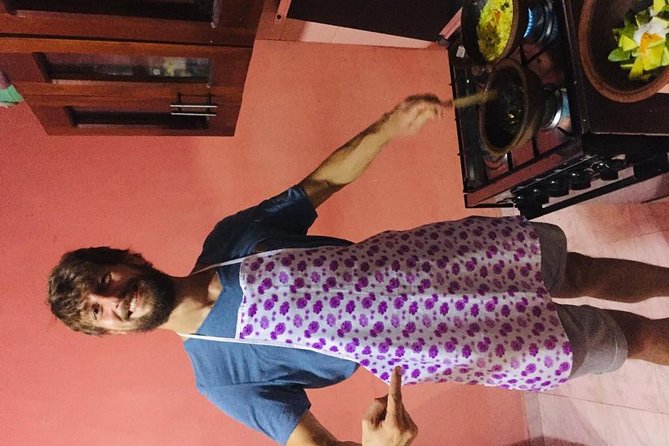
The start point is listed as No 275/1, B231, Angoda 10600, Sri Lanka, and the experience ends back at the meeting point. It’s also noted as being near public transportation, which matters in Colombo where traffic and route planning can turn into a time sink.
Practical advice:
- Plan to arrive a bit early so you can settle in before cooking starts.
- If you are using a rideshare, confirm the exact pickup spot, since address details matter.
- Wear something you do not mind getting a little cooking-smelling or stained, and bring shoes that are comfortable for standing.
You’ll also get a mobile ticket, which is handy if you prefer to keep plans on your phone and not juggle paper.
Who This Colombo Cooking Class Is Best For
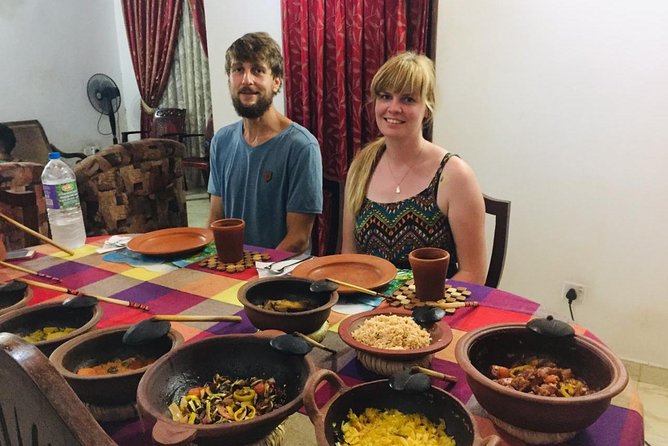
This works especially well if you:
- want a hands-on food experience, not a passive tasting session
- enjoy curries and spices and want to understand how Sri Lankan flavors are built
- like the idea of cooking in clay pots
- prefer a private group setup, where you can ask questions without crowd noise
It might be less ideal if you:
- want a super relaxed, slow pace with lots of sitting and watching
- expect a short class focused on just one dish
In other words, this is for people who enjoy getting their hands working, even a little.
The Big Win From Reviews: Family-Style Meal, Real Participation
The strongest praise points in the experience are very consistent: an authentic home cooking feeling, real family interaction, and shared preparation for a large meal including curries.
That matters because it shapes how the class feels. If the chef and kitchen atmosphere encourage participation, you’ll likely learn faster and enjoy the process more. In cooking classes, the “social” part can sometimes feel forced. Here, the emphasis on sharing duties for many dishes suggests you’re not just following along, you’re taking part in the final result together.
If that kind of atmosphere sounds appealing, you should strongly consider booking. It’s one of the reasons people rate this experience highly.
Should You Book This Colombo Cooking Class?
I’d book this if you want a real skills-based food experience in Colombo. At $50 per person for about 3 hours, making around 10 dishes and traditional desserts, you’re getting a lot of active cooking time for the price. The clay pots and explicit focus on Sri Lankan spices also give it more depth than a basic “cook one curry” class.
I would pause if you are short on time or you prefer mostly observing. This class is built on participation, and the kitchen plan is designed for producing a meal, not a slow demo.
If you’re planning around weather, keep an eye on conditions. The experience notes good weather requirements, so have a flexible mindset.
Overall, if you want to leave Colombo with spice understanding and a full-meal cooking win, this is a strong choice.
FAQ
What is the duration of the Colombo cooking class?
The experience runs for about 3 hours.
How much does the cooking class cost?
The price is $50.00 per person.
Is the class private or shared with other groups?
It is a private tour or activity, and only your group participates.
What will I cook during the class?
You will cook around 10 different dishes and traditional desserts, and you cook by yourself with the chef’s guidance.
Do I receive a menu for the dishes?
Yes, a menu is provided.
Where does the class start and end?
The class starts at No 275/1, B231, Angoda 10600, Sri Lanka, and it ends back at the same meeting point.
What happens if the weather is poor?
The experience requires good weather, so if it is canceled due to poor weather, you will be offered a different date or a full refund.
Workshops With Something to Take Home
- Colombo Cooking Class★ 5.0 · 151 reviews
- Market Tour and Hands-On Cooking Class Colombo★ 5.0 · 140 reviews
- Cooking Class Sri Lanka with Locals★ 5.0 · 101 reviews
- Authentic Sinhalese Cooking Class in Colombo with a Local Family★ 5.0 · 9 reviews
- Vegan Cooking Class Colombo with Market Tour★ 5.0 · 9 reviews
Cook It Yourself Afterwards
- Colombo Cooking Class★ 5.0 · 151 reviews
- Market Tour and Hands-On Cooking Class Colombo★ 5.0 · 140 reviews
- Cooking Class Sri Lanka with Locals★ 5.0 · 101 reviews
- Colombo Cooking Experiance with Explore Market★ 4.7 · 33 reviews
- Authentic Sinhalese Cooking Class in Colombo with a Local Family★ 5.0 · 9 reviews
More Tour Reviews in Colombo
- Colombo: Private Tuk-Tuk City Tour with All Entry Fees★ 4.9 · 2,154 reviews
- Sri Lanka Personal Tour Driver in private vehicle★ 5.0 · 747 reviews
- Colombo Tuk Tuk City Tour -Sightseeing Entry Fees & Food Included★ 5.0 · 678 reviews
- Udawalawe National Park: Elephant Safari with Expert Guide★ 4.9 · 641 reviews
- Colombo Private Tuk-Tuk City Tour with All Entry Fees Included★ 5.0 · 524 reviews
Other Colombo days out to weigh up


Cooking Classes, compared.
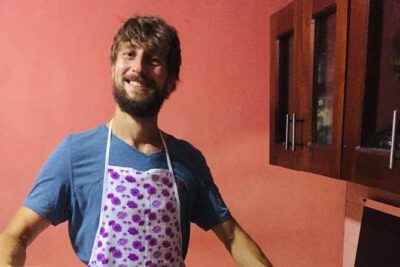 ★ 5.0Colombo Cooking ClassFrom $60151 reviews
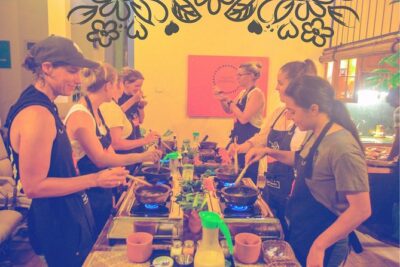 ★ 5.0Market Tour and Hands-On Cooking Class ColomboFrom $80140 reviews
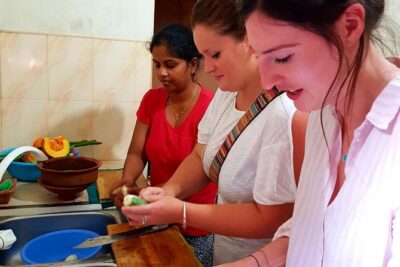 ★ 5.0Cooking Classes in Sri LankaFrom $45110 reviews
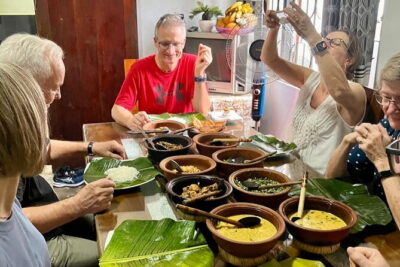 ★ 5.0Cooking Class Sri Lanka with LocalsFrom $40101 reviews
 ★ 4.7Colombo Cooking Experiance with Explore MarketFrom $3533 reviews
 ★ 5.0Authentic Sinhalese Cooking Class in Colombo with a Local FamilyFrom $1489 reviews
 ★ 5.0Vegan Cooking Class Colombo with Market TourFrom $809 reviews
 ★ 5.03 hour cooking experienceFrom $608 reviews
Where else this tour turns up