
Review · COOKING CLASSES
3 hour cooking experience
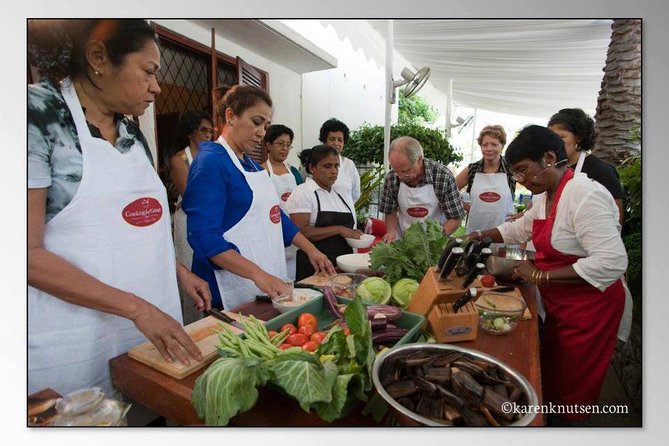
Sri Lankan cooking hits different in someone’s kitchen. In Colombo, you’ll join Chef Mohara Dole for a 3-hour hands-on cooking experience that mixes learning, tasting, and meal-making.
I especially like the way she shares practical guidance on traditional curries, rices, and sambols while you’re actually at the stove. You also get recipes for what you cook, so you can recreate the flavors at home.
One thing to consider: the class runs in a short window (about 3 hours), so if you want a long, slow food day or lots of alcohol, this may feel a bit tight, and alcoholic beverages are not included.
Key highlights worth your attention
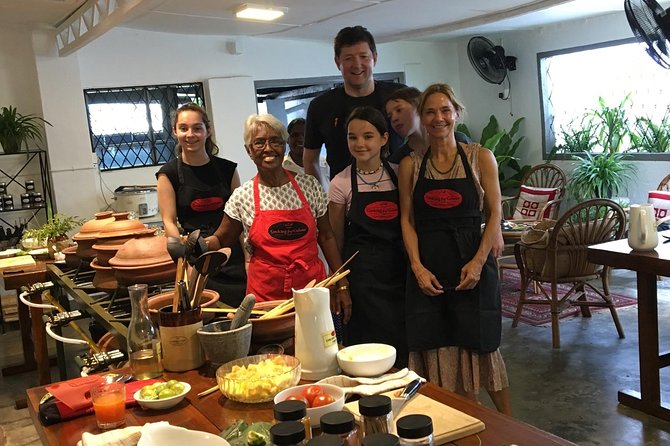
- Chef Mohara Dole welcomes you into her home-style cooking studio
- You cook multiple traditional dishes including curries, rices, and sambols
- Recipes are provided so you can repeat the meal later
- All ingredients are included for lunch or dinner, plus bottled water and soda
- Private group format, so it stays personal and focused on your questions
Kitchens in Colombo that will teach you the curry
- Colombo Cooking Class
★ 5.0 · 151 reviews - Market Tour and Hands-On Cooking Class Colombo
★ 5.0 · 140 reviews - Colombo Cooking Experiance with Explore Market
★ 4.7 · 33 reviews - Authentic Sinhalese Cooking Class in Colombo with a Local Family
★ 5.0 · 9 reviews
Colombo cooking with Chef Mohara Dole: a home-style class, not a cafeteria show
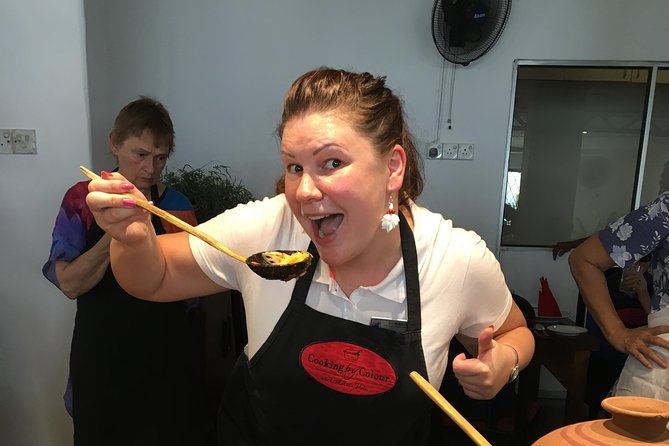
If you want Sri Lankan food without the tourist filter, this is the kind of experience that starts with the chef’s personal space. Cooking By Colour with Mohara Dole is set up as a cultural cooking session where you learn directly from a real cook, not a stage performance. The setup matters because you pay attention differently when you’re working where the food is made, not just watching from a seat.
This is also a private experience, meaning only your group participates. That’s a big deal for cooking classes in general. You can ask questions, slow down when something feels unfamiliar, and get tips that match your comfort level in the kitchen. If you’ve ever taken a group class where everyone funnels questions to the same time slot, you’ll appreciate the calmer pace.
You’ll meet at 49 Park Ln, Sri Jayawardenepura Kotte, Sri Lanka and the activity ends back at the meeting point. That makes it easier to plan the rest of your day in Colombo. The experience runs from 10:30 AM to 2:00 PM, Monday through Sunday, within the scheduled dates shown for the activity. So if you’re building a food-focused itinerary, aim for a late-morning or early-afternoon slot and keep dinner plans open or simple.
What you’ll learn: Sri Lankan curries, rices, and sambols you can repeat
This class is built around the core building blocks of a Sri Lankan meal. You won’t just make one dish and call it a day. Instead, you learn about multiple traditional foods, including curries, rice varieties, and sambols.
Curries, from eggplant to chicken and seafood
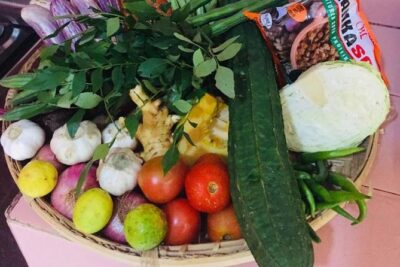
You’ll cover several curry options and ingredients. The examples provided include eggplant, lotus root, chicken, seafood, and beetroot, plus other traditional curry styles associated with Sri Lankan cooking. That variety is useful because Sri Lankan curries are not all the same. Different vegetables and proteins change the flavor balance and how you treat ingredients during cooking.
If you’re learning for home cooking, this matters. You can take what you learn and flex it. Like, once you understand the pattern behind a curry, it becomes easier to adapt when you’re shopping for local substitutes back home.
Rice types, including basmati, red raw rice, and samba
Rice is more than a side in Sri Lanka. You’ll learn about rice types such as basmati, red raw rice, and samba. Even if you’ve cooked rice before, this part is valuable because different rice varieties can behave differently and bring different textures to the table.
For you, it means the class can help with more than flavor. It can help with method, timing, and choosing the right rice for the dish you’re making.
A few more Colombo trips that hold their own
Sambols: the small plates that carry big flavor
Sambols are one of the most distinctive parts of Sri Lankan food. You’ll learn to make them alongside your curries and rice. That’s important because sambols often bring the punch that makes a meal feel complete.
If you love food that tastes layered, sambols are a great way to understand how Sri Lankan meals build from multiple components. The curry gives body, the rice gives structure, and sambols bring brightness and bite.
The 3-hour flow: what your time at the stove is likely to feel like
This experience is described as a three hour demonstration designed as a cultural adventure for food lovers. Practically, you should picture a mix of teaching, hands-on cooking, and a shared meal at the end.
Welcome and kitchen orientation
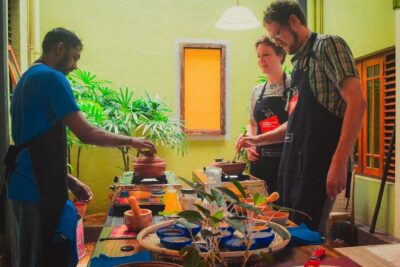
From the review details, Chef Mohara Dole welcomes you graciously into her home and cooking studio. That kind of start changes the whole tone. You’re not stuck in a classroom setup. You’re in a real cooking environment, which makes it easier to pick up small habits and “why” behind the process.
Hands-on cooking, with multiple dishes along the way
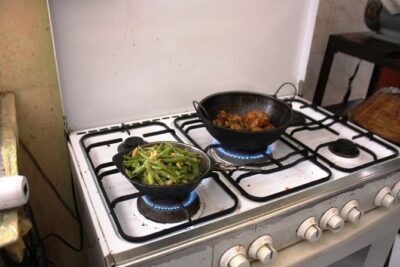
The core promise is that you’ll join the chef at the stove and help prepare the meal. Over the session, you learn to make many traditional dishes, including curries, rices, and sambols. Reviews also describe cooking numerous types of meals over the three hours, covering meat, fish, and vegetables, depending on what the class is preparing on the day.
For you, that means the class is active. You’re not passive. Even if you’re a beginner cook, you’ll learn faster because your hands are doing the work while the chef explains what matters.
Eating the meal and learning through taste
The experience includes dinner, with ingredients provided for lunch or dinner. That’s a useful setup because it lets you taste what you cooked in context. You can then understand how the curry, rice, and sambol work together on the plate. This is where recipes become more meaningful. When you taste first, the recipe instructions make more sense.
Recipes you get to keep: the real value is repeatable meals
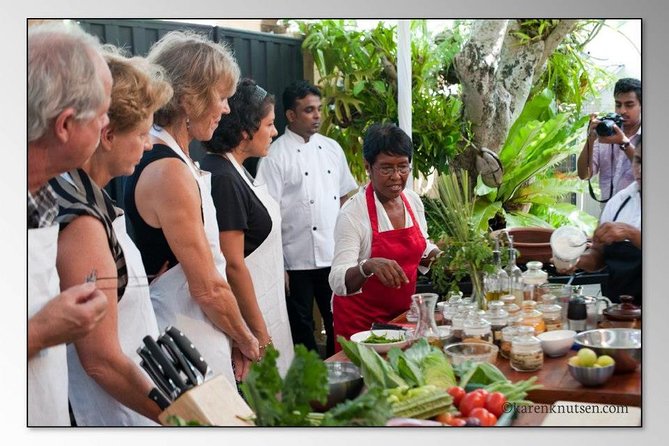
A cooking class is only as good as what you can do afterward. This one shines because you receive the recipes for the foods you cook. That means you’re not leaving with vague memories and a few photos. You get a plan for recreating your favorite dishes at home.
It also pairs nicely with the cultural angle. Chef Mohara Dole shares personal insight into the island’s culture of cooking, and the recipe sheet acts like a bridge between her kitchen and yours. In other words, you’ll remember not only what the food tasted like, but also what to do next time.
If you’ve ever tried to recreate a travel dish at home and ended up with something that tasted close but never quite right, recipes like these help you close that gap. You also get a practical advantage: you can cook again without guessing which step matters most.
Price and value: is $60 for 3 hours fair?
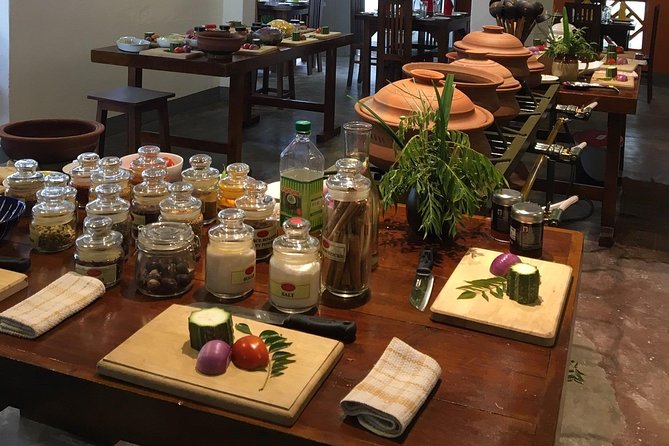
At $60 for about 3 hours, this experience can be good value because it includes the big cost drivers that make cooking classes expensive. You get:
- All ingredients for your lunch or dinner
- Bottled water
- Soda or pop
- The cooking instruction and recipe handouts
- A private group format
When you’re paying for a class, the question is often this: what do you actually receive beyond teaching? Here, you’re not paying just for watching. You’re cooking, tasting, and taking recipes home. That combination is where the value usually shows up.
One caution on budgeting: alcoholic beverages are not included. So if you like to pair cooking with drinks, you’ll need to plan for that separately.
Who this Colombo cooking class is perfect for
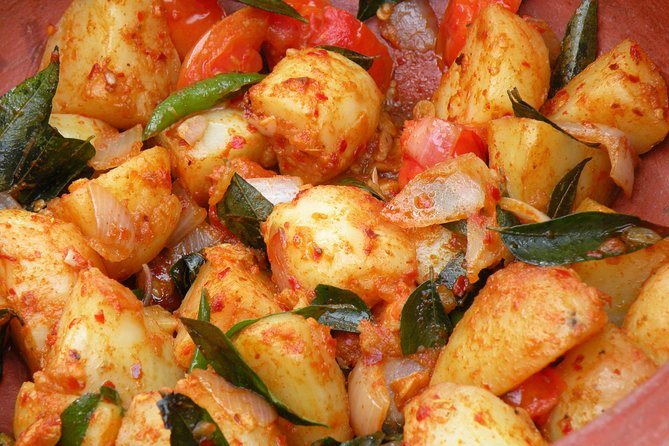
This is a smart fit if you’re the type of traveler who wants to bring something back besides photos. I’d especially recommend it for:
- Food lovers who want hands-on cooking, not just a demonstration
- Anyone curious about Sri Lankan staples like curries, rice varieties, and sambols
- Travelers who want recipes they can actually use later
- Small groups that like a private, focused format
It’s also a good option if you’re short on time. Three hours is long enough to learn real techniques and cook multiple dishes, but short enough to still keep your day flexible.
If you’re the kind of traveler who hates getting your hands dirty, you might feel impatient. But if you enjoy learning by doing, this one fits nicely.
Practical tips before you go (so you enjoy it more)
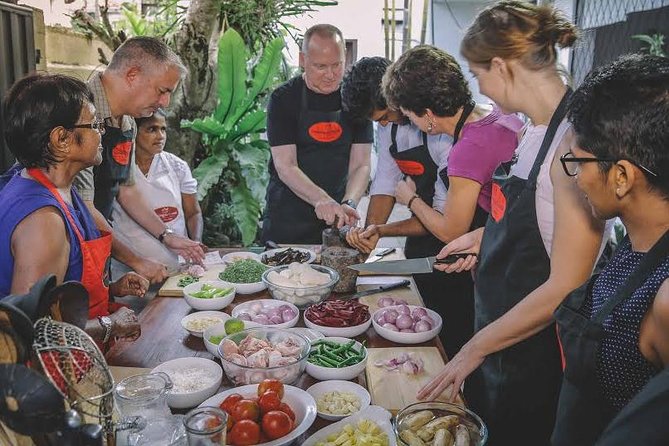
A few simple things will help you get the most out of the session:
- Go hungry, but not so hungry that you feel rushed. Since dinner is part of the experience, your appetite will help you enjoy the tasting.
- Bring curiosity. Ask about ingredients like lotus root or beetroot if those sound unfamiliar. Even if you do not cook those at home often, the pattern of how they work in a curry is the lesson.
- Plan your schedule with the time window in mind. The class sits in the late morning to early afternoon range, so choose a day when you can focus and not rush to your next stop.
- Expect a home-style setting. Reviews mention being welcomed into Mohara’s home and cooking studio, so dress and behave like you’re visiting a chef, not sitting in a formal venue.
And one more small thought: when you get your recipe sheets, skim them before you cook, then read again after tasting. You’ll connect steps to flavor faster.
Should you book Cooking By Colour with Mohara Dole?
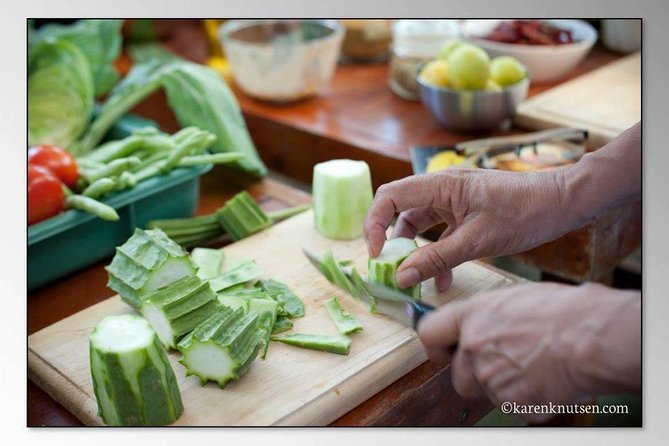
Yes, if you want a short, high-impact way to learn Sri Lankan cooking from a real chef in Colombo. This experience stands out because it combines hands-on stove time, multiple dish categories (curries, rice, sambols), and take-home recipes. The private format also makes it easier to ask questions and learn at your pace.
I’d skip it only if you’re mainly looking for sightseeing, or if you want an all-day experience. Also, factor in that alcohol is not included, so don’t plan on treating this like a drink-and-dine evening.
If you’re aiming to leave Colombo with skills you can use, this is one of the best ways to do it in a few hours. You’ll taste the meal you made, understand how the parts fit together, and walk away with a recipe path back to Sri Lanka.
FAQ
What will I cook during the 3-hour class in Colombo?
You’ll learn to make traditional Sri Lankan dishes including curries, rices, and sambols. Examples mentioned include curries with eggplant, lotus root, chicken, seafood, and beetroot, plus rice types like basmati, red raw rice, and samba.
How much of the food and drinks are included in the price?
The experience includes all ingredients for your lunch or dinner, plus bottled water and soda or pop.
Is alcohol included?
No. Alcoholic beverages are not included.
Is this a private tour or shared group?
It is a private tour or activity. Only your group will participate.
Where does the experience start and where does it end?
The experience starts at 49 Park Ln, Sri Jayawardenepura Kotte, Sri Lanka and ends back at the meeting point.
Can I get a full refund if my plans change?
Yes. Free cancellation is available. You can cancel up to 24 hours in advance of the experience for a full refund.
More 3-Hour Experiences in Colombo
- 3 Hour Private Colombo Street Food Tour★ 5.0 · 13 reviews
Cook It Yourself Afterwards
- Colombo Cooking Class★ 5.0 · 151 reviews
- Market Tour and Hands-On Cooking Class Colombo★ 5.0 · 140 reviews
- Cooking Class Sri Lanka with Locals★ 5.0 · 101 reviews
- Colombo Cooking Experiance with Explore Market★ 4.7 · 33 reviews
- Authentic Sinhalese Cooking Class in Colombo with a Local Family★ 5.0 · 9 reviews
More Tour Reviews in Colombo
- Colombo: Private Tuk-Tuk City Tour with All Entry Fees★ 4.9 · 2,154 reviews
- Sri Lanka Personal Tour Driver in private vehicle★ 5.0 · 747 reviews
- Colombo Tuk Tuk City Tour -Sightseeing Entry Fees & Food Included★ 5.0 · 678 reviews
- Udawalawe National Park: Elephant Safari with Expert Guide★ 4.9 · 641 reviews
- Colombo Private Tuk-Tuk City Tour with All Entry Fees Included★ 5.0 · 524 reviews
Other Colombo days out to weigh up

Cooking Classes, compared.
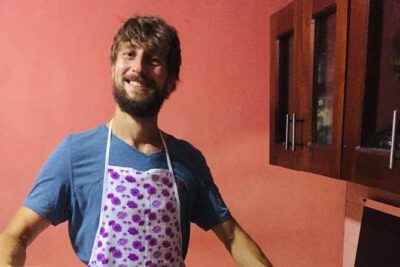 ★ 5.0Colombo Cooking ClassFrom $60151 reviews
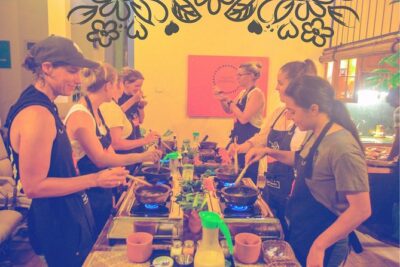 ★ 5.0Market Tour and Hands-On Cooking Class ColomboFrom $80140 reviews
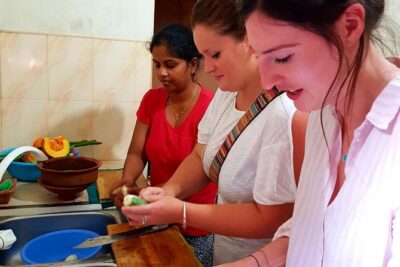 ★ 5.0Cooking Classes in Sri LankaFrom $45110 reviews
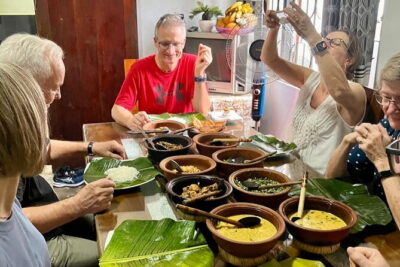 ★ 5.0Cooking Class Sri Lanka with LocalsFrom $40101 reviews
 ★ 4.7Colombo Cooking Experiance with Explore MarketFrom $3533 reviews
 ★ 5.0Vegan Cooking Class Colombo with Market TourFrom $809 reviews
 ★ 5.0Authentic Sinhalese Cooking Class in Colombo with a Local FamilyFrom $1489 reviews
 ★ 5.0Cooking class in SrilankaFrom $508 reviews
Where else this tour turns up