Review · COLOMBO
PADI Scuba Diver Course
Scuba training is a big decision, and structure matters. This PADI Scuba Diver course in Sri Lanka is built as a short, focused ramp-up, with theory, confined-water skills, then two open-water sessions where you work with a PADI Professional to a max of 12 m. If you’re curious about the underwater world and want the first PADI credential, this course is a clean place to start.
Two things I really like about this setup are the clarity of what you earn and the teaching format. The course is clearly positioned as a subset of the PADI Open Water Diver, and the schedule splits learning into digestible blocks rather than throwing you straight into open water. You also get private transportation plus snacks, coffee or tea, and bottled water, which removes a lot of day-to-day hassle.
One drawback to think about: the price you pay for the course does not include the PADI certification costs. The PADI fee is 70 euros, so budget for that separately if you want the manual and certification taken care of.
Key highlights before you commit
- Max depth is 12 m with a PADI Professional, so it’s ideal for guided experience, not total independence.
- 2 to 3 day format with half-day theory, half-day confined-water practice, then an open-water day from 8:30 am to around 1 pm.
- Small groups with a maximum of 8 travelers, which usually means more attention during skills.
- Course logistics are handled, including pickup and private transportation.
- Certification costs add on: the 70 euro PADI fee is not included in the course fee.
A few more Negombo trips that hold their own
- PADI Scuba Diver Course
★ 5.0 · 11 reviews
PADI Scuba Diver certification, what you truly get at max 12 m
The PADI Scuba Diver course is designed as your first PADI credential. The key point is what it does and does not allow you to do right after certification.
You are certified to do underwater training with a PADI Professional to a maximum depth of 12 m. That matters because many people want to jump into the ocean right away, but also want the experience to be safe and supervised. Here, the certification level matches that intention.
If you want to be truly independent, with your buddy and access up to 18 m, the course you’re looking for is the PADI Open Water Diver course instead. In other words, this course is a great first step, but it’s not the full freedom package.
This is also why the “subset of Open Water” detail is valuable. It tells you the course is not random. It’s built from the same core progression, just shorter and more guided.
Negombo on the listing, Unawatuna at the start, and why transfers matter
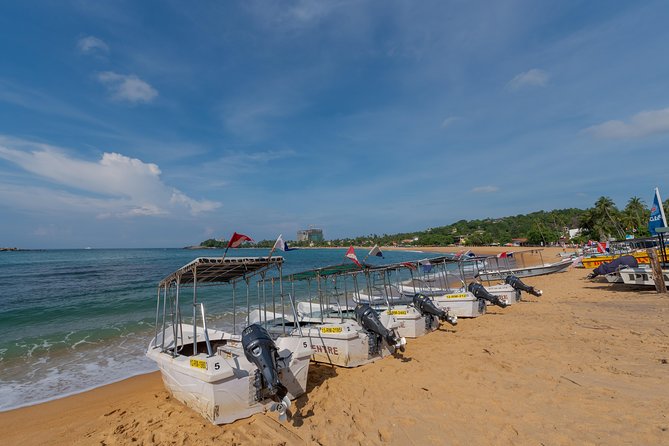
The experience is listed for Negombo, but the meeting point is at a PADI 5-star IDC dive resort area in Unawatuna. The good news is that you’re not left to figure it out alone.
The package includes private transportation and pickup offered, which helps bridge that location mismatch. In practical terms, this is the kind of course where getting to the training site on time matters, so built-in transport reduces stress.
You also get confirmation at booking time unless you book within 1 day of travel. And the activity ends back at the meeting point. That “round trip back” detail matters when you’re planning the rest of your day in Sri Lanka.
The 2 to 3 day rhythm, how the learning blocks work
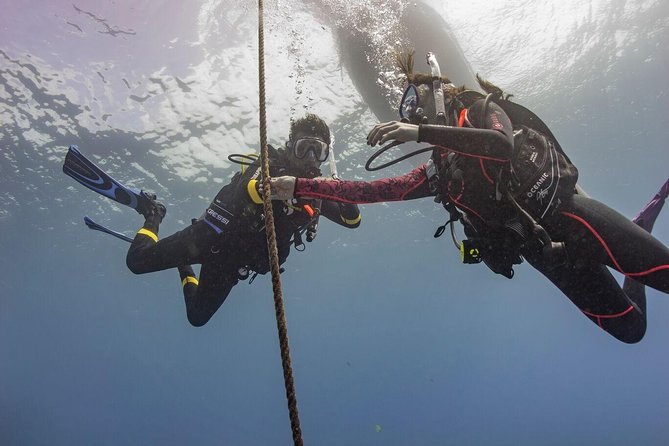
The course usually takes around 2 to 3 days. Even if the tour summary says about 2 days, the real value is in how the time is split.
Here’s the structure you should expect:
- Theoretical part (about half a day): You complete the first 3 sections of the PADI Open Water Diver course, but without exam.
- Confined water training (about half a day): You do the first 3 dives of the PADI Open Water program in a controlled setting.
- Open-water day (one day): You complete two open-water sessions. This day runs from 8:30 am to around 1 pm.
This pacing is more than just a schedule. It’s a smart way to reduce overwhelm. You build the mental checklist first, practice the skills in a safe environment, then apply them in the ocean with support.
Also note the focus: this is not a “swim around and hope for the best” program. It’s training toward a credential with clearly defined limits.
Theory half-day, what it means when there’s no exam
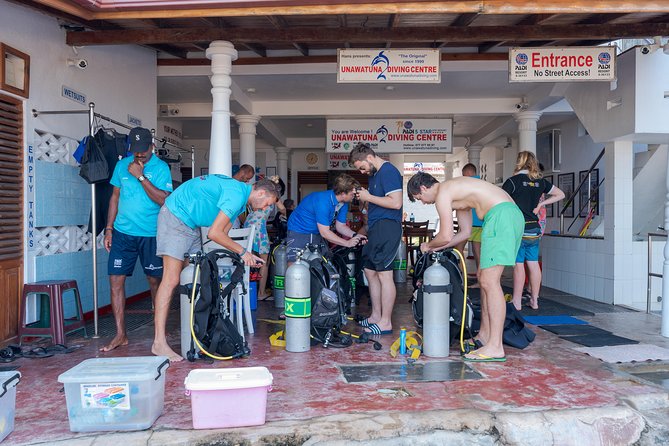
The theoretical portion is based on the first 3 sections of the PADI Open Water Diver materials, and there’s no exam for those sections as part of this course.
If you’re the type who gets nervous about tests, this is a relief. Even if you’re not, it still helps you learn at the pace of real skill building. You’re not just studying for a score, you’re learning concepts that match what you’ll do in the water.
Also, the course notes flag something important: the PADI fee of 70 euros (for the PADI Scuba Diver manual and certification costs) is not included in the course fee. So you’ll want to have that budget line ready before you’re expecting certification paperwork.
Confined water practice, where skills get real without the ocean stress
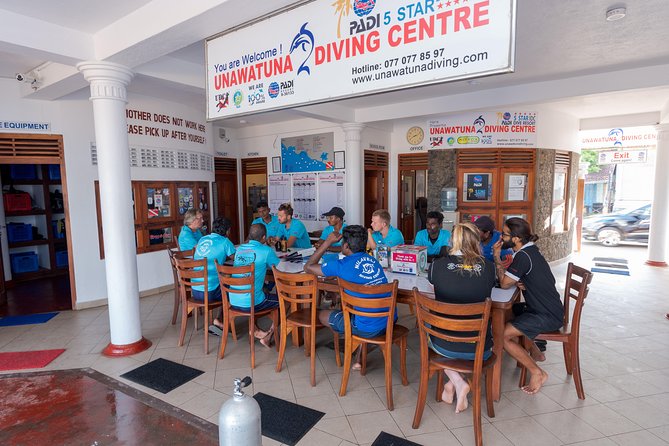
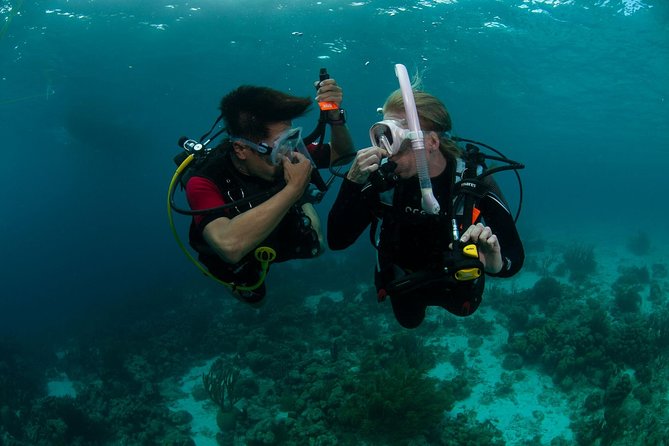
The next half-day is confined-water training, using the first 3 dives from the PADI Open Water progression. Confined water is where you get your body and your breathing habits on the same page, and where you learn how to handle equipment while your brain is still calm.
This part is also where you can learn how seriously the instructors treat safety. In the feedback for the center, people repeatedly describe instructors as calm, patient, and security-focused while still making it fun. Names that show up include Ellie, Eliška, and Delphine, and other feedback points to instructors such as Norbert, plus Fabeo and Alex.
Even if you’re not comparing to another course directly, those teaching traits matter here. Confined water is where small corrections make a big difference later, and a patient instructor helps you build confidence instead of rushing.
Open-water sessions to 12 m, what you should watch for
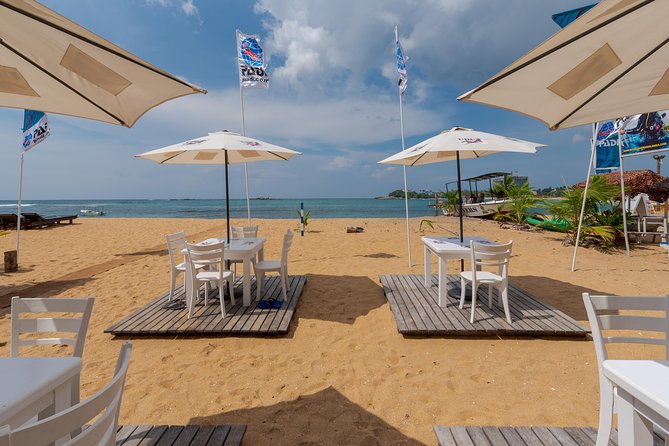
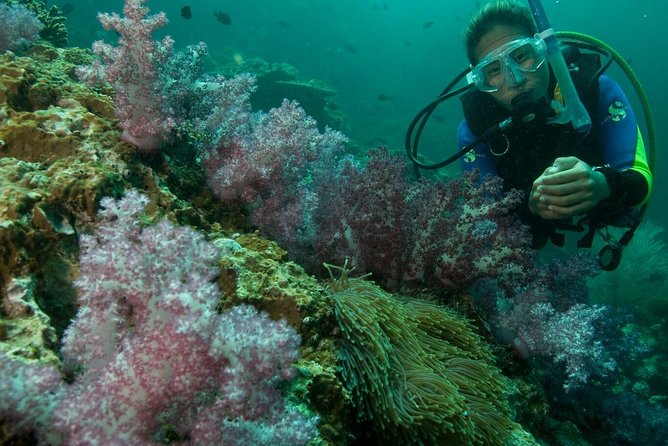
On open-water day, you complete two open-water sessions. The course is set up for supervised learning, with certification that supports underwater time to 12 m with a PADI Professional.
That means you should expect support throughout, not a “you’re on your own” vibe. The value of the PADI Scuba Diver level is that it lines up with this kind of guidance. It’s a smart fit if you want real ocean experience without turning your vacation into a high-stakes challenge.
The open-water schedule runs from 8:30 am to around 1 pm, so you’ll likely have the rest of the day back on land. That’s a practical advantage if you’re mixing training with other Sri Lanka plans.
One more thing to keep in mind: the course is described as requiring good weather. Since open-water training depends on conditions, you should be prepared for the possibility of a reschedule if conditions are rough.
Price and value check: $240.23 plus a 70 euro PADI fee
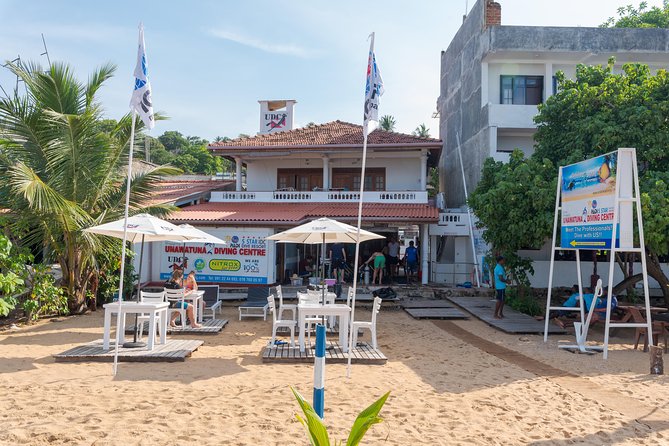
The course price is $240.23 per person, and the biggest value question is what’s included versus what’s not.
Included:
- Use of scuba equipment
- Bottled water
- Coffee and/or tea
- Snacks
- Private transportation
- Private transportation is included, and pickup is offered
Not included:
- Lunch
- PADI fee of 70 euros for the manual and certification costs
So what does that mean for value? In a nutshell, your money covers the training time, the local logistics, and the gear. The certification fee is separate, which is common in many training setups. The course is still a strong deal if you budget for the extra PADI fee early, because you’re essentially paying for structured instruction plus the operational support that lets you show up and learn.
Also pay attention to group size. With a maximum of 8 travelers, you’re not going to be one face in a crowd. That tends to support better feedback during skills.
What’s included each day, and what you’ll likely need to plan yourself
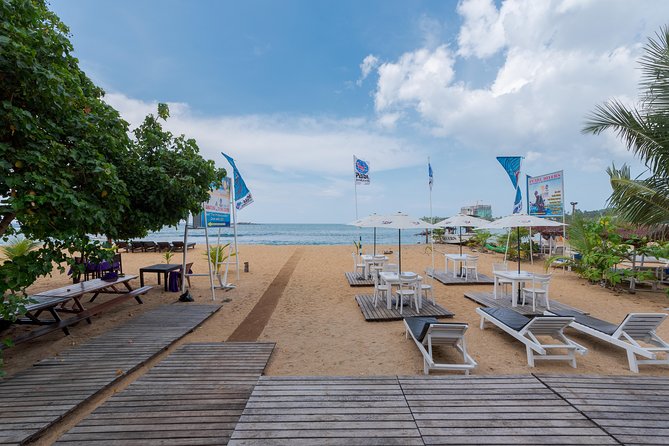
Because lunch is not included, you should plan around midday on the open-water day when the sessions run until around 1 pm. If you’re the kind of traveler who hates guessing, you’ll probably want a simple lunch plan on stand-by for that day.
On the “comfort” side, you’ll have bottled water, coffee and/or tea, and snacks. That means you’re not reliant on finding food while you’re waiting for training blocks.
Equipment is included as well. That matters because you’re trying to learn a skill, not solve rental puzzles.
The course also offers a mobile ticket, so you’ll have an easy way to show up at the start meeting point without printing and paper clutter.
Who this course fits, and who should choose Open Water Diver instead
This course fits best if you want:
- Your first PADI credential
- A structured start with theory and skills practice
- Guided underwater time to 12 m
- A short training schedule that can fit into a tight trip
It also makes sense if you don’t want to overcommit to full independence yet. You’re building fundamentals, then you can decide later whether you want the PADI Open Water Diver upgrade for independence up to 18 m.
If your end goal is independent buddy diving to 18 m from day one, skip ahead to PADI Open Water Diver. The Scuba Diver level has a ceiling, and it’s not about you being capable. It’s simply the certification design.
Finally, the fitness requirement is listed as moderate. That’s a good sign for most people, but if you have medical concerns, you’ll want to check your suitability before booking.
Should you book the PADI Scuba Diver course in Sri Lanka?
Book it if you want a short, guided path into the underwater world, and you’re okay with the certification limit of 12 m with a PADI Professional. The structure of theory, confined-water skills, then two open-water sessions is built for confidence, not just sightseeing. I also like that transport, gear, and small comforts like snacks and water are handled.
Don’t book it if you know you want immediate independent diving to 18 m. In that case, you’ll likely get a better long-term match from the PADI Open Water Diver course.
Before you lock it in, budget for the 70 euro PADI fee, and remember lunch is not included. If you can handle those two planning items, this is a very practical way to start scuba training in Sri Lanka.
FAQ
Where does the course start, and does it return you to the meeting point?
The course starts at the diving center meeting point in Unawatuna, and it ends back at the same meeting point.
How long is the PADI Scuba Diver course?
It takes around 2 to 3 days. One day of open-water training runs from about 8:30 am to around 1 pm.
Is pickup included?
Pickup is offered, and private transportation is included as part of the experience.
What’s included in the course fee?
Included items are bottled water, coffee and/or tea, snacks, private transportation, and the use of scuba equipment.
Is lunch included?
No, lunch is not included.
What about the PADI manual and certification costs?
The PADI fee of 70 euros for the PADI Scuba Diver manual and certification costs is not included in the course fee.
After certification, how deep can I go?
This certification allows you to go underwater with a PADI Professional up to a maximum depth of 12 m.
How many people are in a group, and what fitness level is required?
The group maximum is 8 travelers. You should have a moderate physical fitness level.
More Scuba Diving in Negombo
- Scuba Diving For Beginners★ 5.0 · 10 reviews
More Tour Reviews in Negombo
- AirPort CMB to Colombo (Private Taxi 24/7) Car, Van, Minibus★ 5.0 · 604 reviews
- 8 Days tour in Sri Lanka with privet driver and accommodations★ 5.0 · 472 reviews
- Negombo city tour by Tuk Tuk Hotel Pickup & Guide★ 5.0 · 221 reviews
- Private Car & Driver for 07 Days Tour In Sri Lanka★ 5.0 · 199 reviews
- Sri Lanka Private Tour 8 days-Driver/vehicle/accommodation H/B★ 5.0 · 161 reviews