
Review · NEGOMBO COAST & VILLAGE TOURS
Negombo Heritage Walking Tour
Follow the smells of Negombo streets. This 3-hour walking tour strings together sea-side life, temples, and colonial-era landmarks in one easy route, with an English-speaking guide walking you stop to stop. You’ll see how everyday markets and fishing work connect to the city’s layered history.
I especially liked the Sri Mutthu Mari Amman Temple start, because it sets the tone for Negombo’s multi-faith culture right away. I also liked the walk through the Lellama fish market and dry fish processing area, where the sights and smells match the real rhythm of coastal life.
One thing to consider is that timing can feel a bit sensitive: I’ve seen cases where a guide switch caused a late start, and snack timing can vary in practice. If refreshments matter to you, arrive ready to adjust and ask your guide what’s planned when you meet.
Key Highlights at a Glance
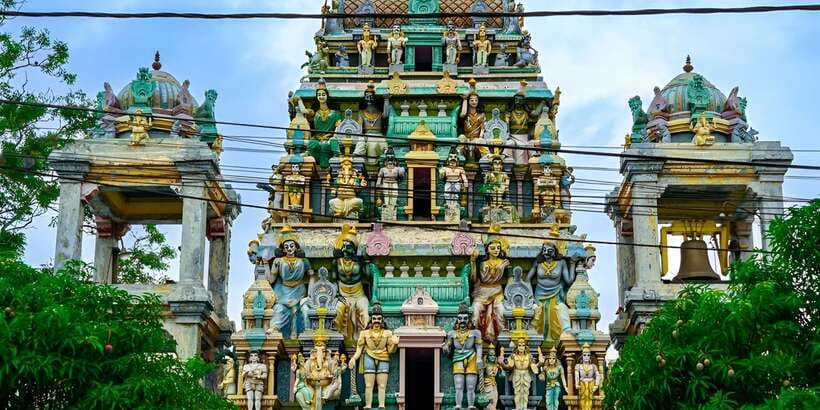
- Sea Street temple start at Sri Mutthu Mari Amman Temple, setting the cultural tone immediately
- Vegetable and fruits market stop for an up-close look at daily trading
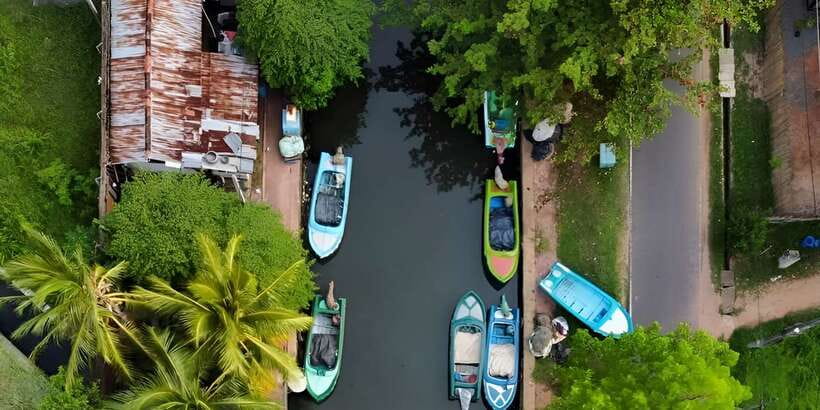
- King George Drive and the Indian Ocean edge with angler activity and dry fish processing nearby
- Lellama fish market realism after you’ve walked in and through the coastal smells
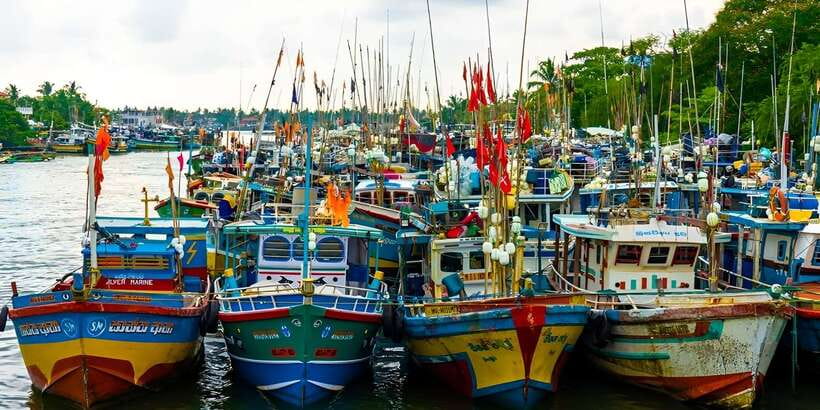
- Kothlawala Bridge photo moment for fishing boats and a classic Negombo view
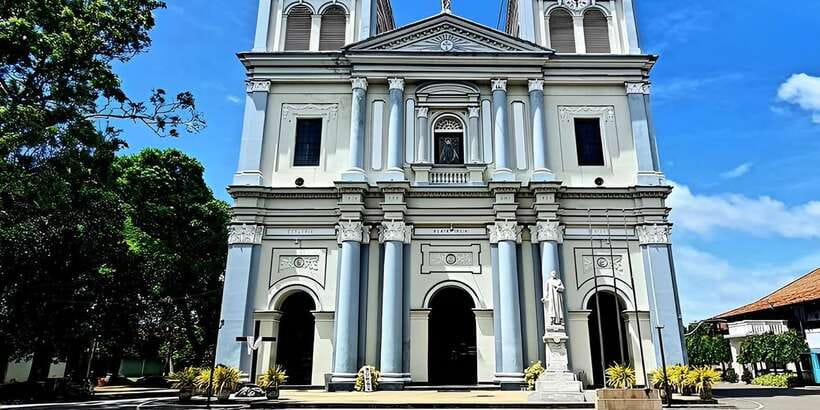
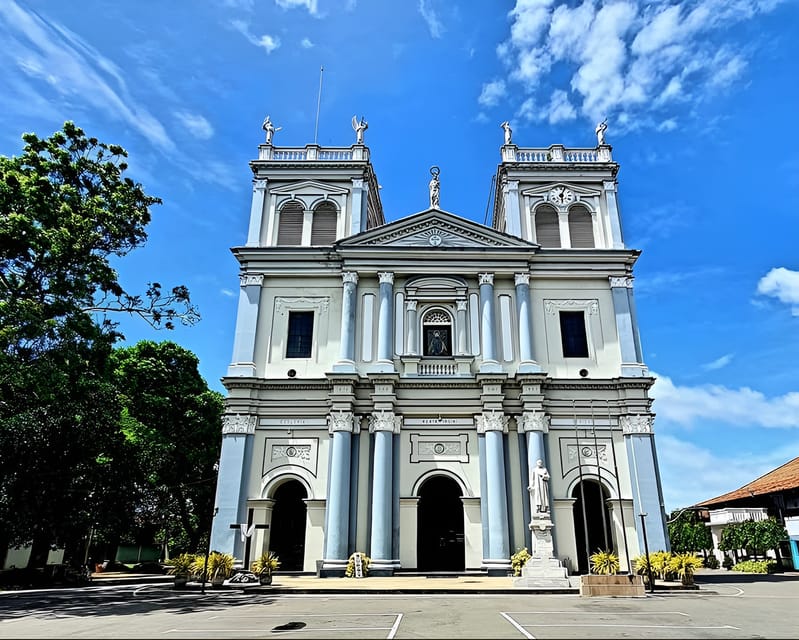
- Dutch-era sights plus churches and lagoon views around the fort area and St. Mary’s Cathedral
Negombo, a few more ways round
- Negombo city tour by Tuk Tuk Hotel Pickup & Guide
★ 5.0 · 221 reviews - Wilpattu National Park Jeep Safari from Negombo / Waikkal (All Inclusive)
★ 5.0 · 112 reviews - Motorcycle Rental in Negombo
★ 5.0 · 103 reviews - Half-Day Negombo City Tour with Ayurvedic Massage & Local Lunch
★ 5.0 · 87 reviews
From Sea Street Temple to King George Drive
The tour starts at the Sri Mutthu Mari Amman Temple, with the guide waiting in front of the temple so you can find them fast. From the first steps, you’re not doing the usual checklist sightseeing. You’re learning how Negombo’s culture shows up in the street, in the market flow, and in the way locals move through daily life.
Once you’re walking, the route builds toward the coast. You’ll pass through a local produce market and then head along King George Drive, named after King George’s visit to the city. That detail might sound like trivia, but it actually helps you read the city: you’re seeing how colonial-era naming and local routines overlap in the same place.
A big plus here is pace. It’s a guided walk with short sightseeing stops, so you don’t feel rushed into a van ride and back out again. It’s also a good length for travelers who want context without committing to a half-day outing.
Market Walk: Vegetables, Fruit Stalls, and How People Trade
A major part of why this tour works is that it doesn’t skip the everyday stuff. You’ll walk through the local vegetable and fruits market, where sellers set up stalls and handle sales in a way that feels familiar and practical at the same time.
This stop is worth your attention because markets in places like Negombo are more than places to buy food. They’re where you see social habits, work patterns, and the local idea of what’s fresh and worth attention. Your guide will point out how the market functions and what to notice as you move past stalls.
If you’re the type who wants more than photos, the market section is your payoff. Even without fancy “must-see” buildings here, you get a real feel for daily commerce. It’s also a good moment to slow down, ask questions, and get your bearings before you hit the fishing zones.
King George Drive, the Ocean Side, and Dry Fish Processing
Next comes King George Drive, running parallel to the Indian Sea. This is where the tour shifts from produce to coastal labor. Along this stretch, you’ll be near angler activity areas and the dry fish processing zone.
Let’s be honest about this part: this is where the smell gets strong. You’ll likely notice it before you fully arrive at the fish market, and that’s by design. The tour’s flow uses that sensory build-up so you understand that Negombo’s heritage isn’t just old buildings, it’s also work that has shaped the city for generations.
What I like about this section is that it makes the fishing economy visible. You’re not only hearing a story. You’re walking near the process itself, then moving forward to the market where that work ends up.
If you’re heat-sensitive, plan your start time wisely. One review specifically pointed out that by after midday it can be really hot, which makes sense for a sea-side walk with limited shade.
Lellama Fish Market: Smells, Boats, and the Fast Pace of Coastal Trade
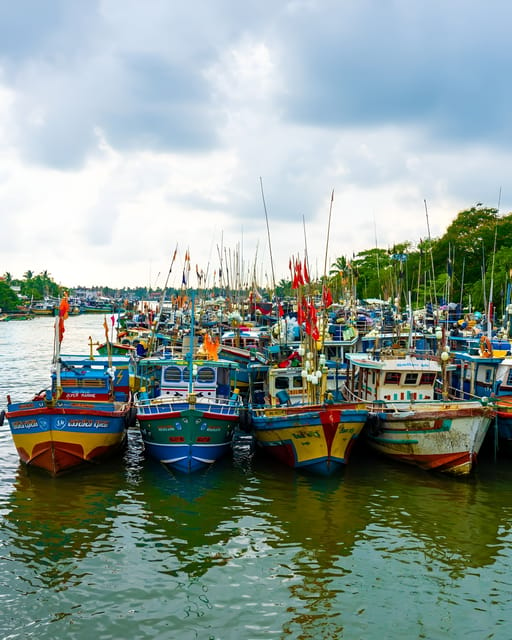
When the tour reaches the fish market area, you’ll go through the Lellama fish market, often described as the next stage after walking past the dry fish processing smell. This stop is a strong contrast to the earlier produce stalls.
The fish market is vivid and busy, and it’s the kind of place where you’ll learn best by watching how people interact with products and each other. Your guide explains what you’re seeing so it stops being just an overload of activity.
This is also a practical photographic moment. You’ll see where fishing products are sorted and traded, and you’ll pick up details you would miss if you arrived without context. I like that the tour doesn’t pretend it’s a museum. It treats the market as a living workplace.
Other Negombo walks, start to finish
Dutch Fort Area, St. Stephen’s Church, and a Real Sense of Layers
After the fish market, the route brings you toward the old Dutch fort area. You’ll pass the prison area before you get to the Dutch Fort zone. This isn’t a “pretty postcard” segment every minute, but it adds authenticity. Negombo’s past is not arranged politely on a brochure. It’s part of the current city map.
At the Dutch Fort stop, you’ll visit Negombo Dutch Fort, and St. Stephen’s Church is highlighted as part of this heritage pocket. The idea here is simple: colonial architecture and local community history sit close enough that you can connect the dots on foot.
Even if you’re not a hardcore history person, the fort area helps you understand why Negombo was shaped the way it was. Ports, trade, and control all tend to leave physical traces, and here those traces show up in how the fort zone reads in the city today.
Kothlawala Bridge: A Simple Photo Stop With Big Payoff
Right around this area, the tour includes a stop near Kothlawala Bridge. It’s a short stretch, but it’s one of the best “use your eyes” moments of the whole walk.
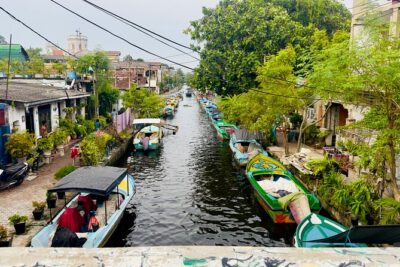
Why? Because you get a view of fishing boats and the working coastline. It’s also an easy photo stop if you want something more than market close-ups. The boats make the setting feel real, not staged.
If you’re traveling with a camera, keep it ready. This isn’t one of those stops where you walk in, take one quick shot, and leave. The guide’s timing gives you a moment to frame the scene properly.
Lagoon Stop and St. Mary’s Cathedral in Negombo
The itinerary continues toward the lagoon and then to St. Mary’s Cathedral in Negombo. The lagoon stop is important because it breaks up the earlier intensity of markets and fishing work with a calmer natural view. Even if you’re not a water scenery person, it helps your brain reset between stops.
Then St. Mary’s Cathedral brings you back to architecture and faith. What I like about this pairing is the contrast: fishing and trade along one side of the city, then a major church landmark that shows how diverse influences have shaped Negombo.
This section is also where your guide’s narration matters. A guide can turn a building visit into understanding how the city’s communities co-exist. If you like practical storytelling, you’ll appreciate how the tour connects each stop rather than treating them as disconnected points.
Snacks, Refreshments, and a Note on Hot Weather
The tour includes refreshments and a snack tasting menu, plus opportunities to grab quick Sri Lankan spicy snacks or sweets during the walk. That’s a smart design choice, because after you’ve spent time around strong smells and active streets, food breaks are helpful.
One caution: I’ve seen reports where refreshments did not match expectations, and timing can be slightly different depending on the day and the guide. So if you’re booking specifically for the snack experience, I’d treat it as “planned included,” but still expect your guide to handle it in the moment.
For timing, I’d aim for the morning if you can. A review noted that by around 12:00 it gets very hot, and this tour is mostly walking with sun exposure. Bring sunglasses and sunscreen, because the tour explicitly calls for them.
The Guide Makes It, and Shashi’s Style Lands Well
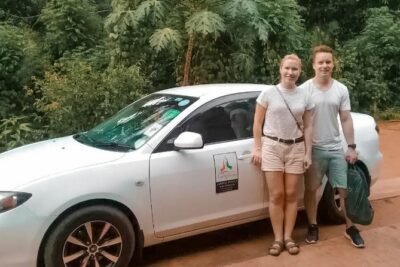
The experience lives or dies by the guide. Here, you’ll have an English-speaking guide with live guidance, and Hindi is also offered. One guide name that came up clearly is Shashi, and the feedback around him is consistently positive.
Shashi was described as friendly and accommodating, with strong English and a talent for explaining local food, spices, and traditions in Sri Lanka. That matters because it turns the stops from “I saw it” into “I understood it.” A good guide doesn’t just point. They translate what you’re seeing into why it matters.
Another thing I liked in the guidance style is the pacing that leaves room for questions. If you enjoy chatting while walking, you’ll get more value than if you just want a silent stroll.
Price and Value for a 3-Hour Walking Loop
At $14 per person for a 3-hour walking tour, this is priced like a value-focused neighborhood-style experience. You’re getting a live English-speaking guide, plus refreshments and a snack tasting menu, which is a meaningful part of the cost when you’re out sightseeing anyway.
The best value angle is density. In a short time, you cover multiple types of Negombo life: temple culture, produce shopping, coastal fishing processing, fish market activity, fort-area heritage, lagoon atmosphere, and a major cathedral.
It’s not a private tour, and it’s not a bus-and-views day. But if you want to spend your money on a guided route through real streets rather than transport or ticketed attractions, this one fits the bill.
Who This Tour Suits Best
This tour is a strong match if you:
- Want to understand Negombo’s mix of Hindu temple culture and Christian landmarks in the same walkable area
- Like markets and working ports more than big museum stops
- Prefer a guided pace with time to ask questions
- Enjoy food and spice context, especially around local snacking
It may be less ideal if you:
- Hate strong ocean-side smells, since the dry fish processing area influences what you’ll notice before the fish market
- Are highly sensitive to heat, since midday can be rough on a walking itinerary
- Need absolutely perfect timing, because rare guide changes can happen
Practical Planning Tips Before You Go
Here are the nuts and bolts that help you enjoy the experience more:
- Meet at the Sri Mutthu Mari Amman Temple, and plan to arrive early so you’re not rushing in
- Bring sunglasses and sunscreen since the walk is outdoors
- After booking, get in touch to arrange a convenient start time, since timing can be flexible
- If you want the best comfort, choose a morning start rather than pushing into hotter hours
Also, keep your expectations aligned with the format. This isn’t about long sit-down history lectures. It’s a walk where you learn by moving through the city.
Should You Book This Negombo Heritage Walking Tour?
I think you should book it if you want a grounded introduction to Negombo that goes beyond landmarks. The mix of Sri Mutthu Mari Amman Temple, produce markets, King George Drive coastal life, the Lellama fish market, Dutch Fort area sights, and St. Mary’s Cathedral gives you a real cross-section of the city in just 3 hours.
I wouldn’t book it if you’re extremely sensitive to smell and heat, or if you’re counting on refreshments to feel perfectly timed and identical every day. Still, even with that small risk, the core value is strong: you get a guided route that helps the city make sense fast.
If you like walking tours that feel like learning with your feet, this one is a smart use of your time in Western Province.
FAQ
Where is the meeting point for the Negombo Heritage Walking Tour?
You meet in front of the Hindu temple at the Sri Mutthu Mari Amman Temple.
How long does the tour last?
The tour duration is 3 hours.
What is the price per person?
The price is listed as $14 per person.
What languages are the live guides available in?
The tour is offered with a live tour guide in English and Hindi.
What sights are included on the walk?
The highlighted stops include Sri Mutthumari Amman Temple, the local vegetable and fruits market, King George Drive to the dry fish center and fish market (Lellama), the Negombo Dutch Fort and St. Stephen’s Church, Kothlawala Bridge, Negombo Lagoon, and St. Mary’s Church (St. Mary’s Cathedral in Negombo).
Are refreshments or snacks included?
Yes. The tour includes refreshments and a snack tasting menu.
What should I bring with me?
Bring sunglasses and sunscreen.
Can I cancel and get a full refund?
Yes. You can cancel up to 24 hours in advance for a full refund.
Is there a reserve now, pay later option?
Yes. You can reserve your spot and pay later, with the option listed as keep your travel plans flexible.
More Tours in Negombo
- 8 Days tour in Sri Lanka with privet driver and accommodations★ 5.0 · 472 reviews
- Negombo city tour by Tuk Tuk Hotel Pickup & Guide★ 5.0 · 221 reviews
- Private Car & Driver for 07 Days Tour In Sri Lanka★ 5.0 · 199 reviews
- Most Popular Round Tour in Sri Lanka★ 5.0 · 161 reviews
- Sri Lanka Private Tour 8 days-Driver/vehicle/accommodation H/B★ 5.0 · 161 reviews
More Tour Reviews in Negombo
- AirPort CMB to Colombo (Private Taxi 24/7) Car, Van, Minibus★ 5.0 · 604 reviews
- 8 Days tour in Sri Lanka with privet driver and accommodations★ 5.0 · 472 reviews
- Negombo city tour by Tuk Tuk Hotel Pickup & Guide★ 5.0 · 221 reviews
- Private Car & Driver for 07 Days Tour In Sri Lanka★ 5.0 · 199 reviews
- Sri Lanka Private Tour 8 days-Driver/vehicle/accommodation H/B★ 5.0 · 161 reviews
Negombo, Keep Going
- Negombo city tour by Tuk Tuk Hotel Pickup & Guide★ 5.0 · 221 reviews
- Wilpattu National Park Jeep Safari from Negombo / Waikkal (All Inclusive)★ 5.0 · 112 reviews
- Motorcycle Rental in Negombo★ 5.0 · 103 reviews
- Half-Day Negombo City Tour with Ayurvedic Massage & Local Lunch★ 5.0 · 87 reviews
- From Negombo: Wilpattu National Park Safari Guided Day Tour★ 3.8 · 55 reviews
Other Negombo days out to weigh up



Negombo Coast & Village Tours, compared.
 ★ 4.5Southern Sri Lanka Sightseeing Day Trip From Colombo & NegomboFrom $85128 reviews
 ★ 5.0Wilpattu National Park Jeep Safari from Negombo / Waikkal (All Inclusive)From $152112 reviews
 ★ 5.0Half-Day Negombo City Tour with Ayurvedic Massage & Local LunchFrom $5287 reviews
 ★ 4.5Dambulla & Sigiriya Day Tour from Colombo / Negombo with LunchFrom $6957 reviews
 ★ 3.8From Negombo: Wilpattu National Park Safari Guided Day TourFrom $10555 reviews
 ★ 5.0Private Trip to Sigiriya, Dambulla & safari from Colombo/ NegomboFrom $6744 reviews
 ★ 5.0Negombo City Tour by Tuk Tuk with hotel pickupFrom $2542 reviews
Where else this tour turns up