
Review · NEGOMBO COAST & VILLAGE TOURS
Cooking Class and Market Visit in Negombo
Spices start before you ever cook. This Negombo hands-on cooking class is a market-to-kitchen experience, so you pick ingredients with a guide before you head to the home kitchen. I especially like how the morning or evening timing keeps it practical, even if your day is already packed.
You’ll get to choose fresh produce, fragrant spices, and seafood from local vendors, then learn the how and why of Sri Lankan cooking right where it happens. I also like the focus on real dishes you can recreate, including coconut-based curries, sambols, and rice, with help from host Shashi during the process.
One consideration: it runs for about 3 hours, with set pickup windows (11:00 to 12:00 or 18:00 to 19:00), so you will want to plan around that schedule.
Key points worth knowing
- Market-first ingredient shopping so your meal starts with choices you actually make
- About 30 minutes at the Negombo Vegetable Market, enough time to get the essentials without turning it into a full day
- 1.5-hour cooking session led by a local host, with multiple dishes coming together
- Pickup from your Negombo hotel and quick transfers that keep the experience focused
- Private tour for just your group, with mobile ticketing
- Dishes can include classics like tuna curry or devilled prawn curry, depending on what you select
Negombo, a few more ways round
- Negombo city tour by Tuk Tuk Hotel Pickup & Guide
★ 5.0 · 221 reviews - Wilpattu National Park Jeep Safari from Negombo / Waikkal (All Inclusive)
★ 5.0 · 112 reviews - Motorcycle Rental in Negombo
★ 5.0 · 103 reviews - Half-Day Negombo City Tour with Ayurvedic Massage & Local Lunch
★ 5.0 · 87 reviews
How the hotel pickup and timing keeps this class manageable
This is one of those activities that works well when you are staying in Negombo, not just passing through. You are picked up from your hotel in a broad window, either 11:00 to 12:00 (am) or 18:00 to 19:00 (evening). Total duration is about 3 hours, which means you are not committing your whole day to cooking.
Transfers are short: the drive to the market is around 15 minutes, and you go back to Negombo after the class, with another short drive. Practically, this matters because you spend your time on the parts you actually want: selecting ingredients and learning technique, not sitting in traffic.
Because the market and cooking blocks are fixed (about 30 minutes for shopping, about 1.5 hours cooking), show up ready to move. It is also a private activity, so you are not squeezed between strangers’ schedules. That makes it easier to ask questions and adjust to what your group wants to learn.
Negombo Vegetable Market: how to shop like a local (without feeling lost)
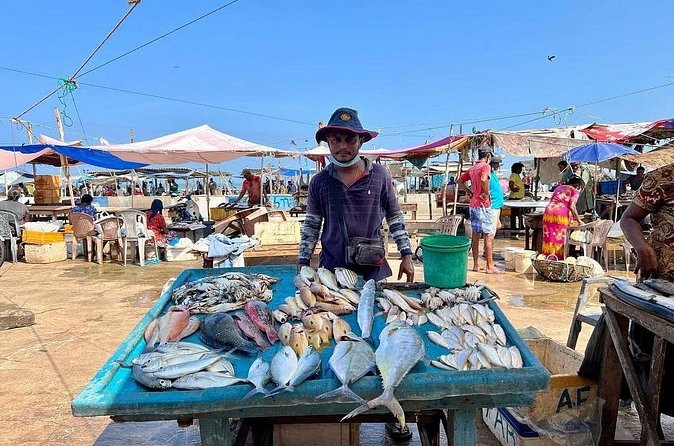
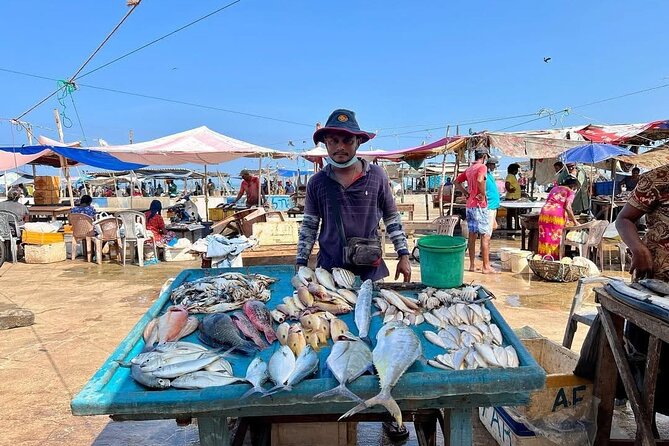
The market stop is the heart of the experience, and for good reason. Sri Lankan cooking is all about layering flavors, and most of those layers start with picking the right produce, spices, and seafood. At the Negombo Vegetable Market, you will stroll among vendors and explore the kinds of ingredients that define everyday island meals.
You will be given guidance on what to look for, which is the difference between browsing for photos and learning something you can use later. You’re not just grabbing vegetables. You are picking items that will influence the final taste, from aromatics and spices to the produce that supports curries, sambols, and rice.
Time is limited here, so don’t expect to wander for hours. Plan for about 30 minutes in the market, which is enough to gather essentials without draining your energy before cooking starts. If you love food markets, this stop is still satisfying, because the goal is to bring ingredients into the kitchen, not simply observe.
You may notice the market categories reflect everyday Sri Lankan cooking patterns: vegetables for curries and sides, tropical fruits, and the seafood angle that matters in coastal Negombo. One of the strongest takeaways from past participants is that this is where you go from menu descriptions to real ingredients in your hands, especially when fresh fish is part of the plan.
Inside the cooking class in a Sri Lankan home kitchen
After the market, you head to the cooking location, a home-style kitchen connected to local food tradition. The class block is about 1 hour and 30 minutes, which means you will learn a full workflow, not just one dish.
Sri Lankan cuisine blends influences over centuries, including Indian, Arab, Portuguese, Dutch, and Malay flavors. That shows up in how dishes are built: bold spices, coconut-based sauces, and heat guided by ingredients like chili and curry leaves. You also learn why rice is treated as the base for so many meals, because it balances spice and makes the sauce go further.
What I like about this format is that you are not just watching someone cook. You are preparing dishes with guidance, using techniques passed down through generations. If you want to understand why one sambol hits differently than another, hands-on time is where it clicks.
Communication and hosting matter here. In this experience, the host is praised for clear explanations and strong guidance, including Shashi, who is specifically called out for making the process feel smooth. That kind of attention helps you ask practical questions, like how to judge spice levels or how to manage coconut flavors without losing balance.
You will also get the practical rhythm of cooking: prep, heat control, timing, and tasting along the way. The kitchen time is long enough to do real work, but short enough that you finish feeling proud, not exhausted.
What you’ll cook: curries, sambols, and rice-based Sri Lanka
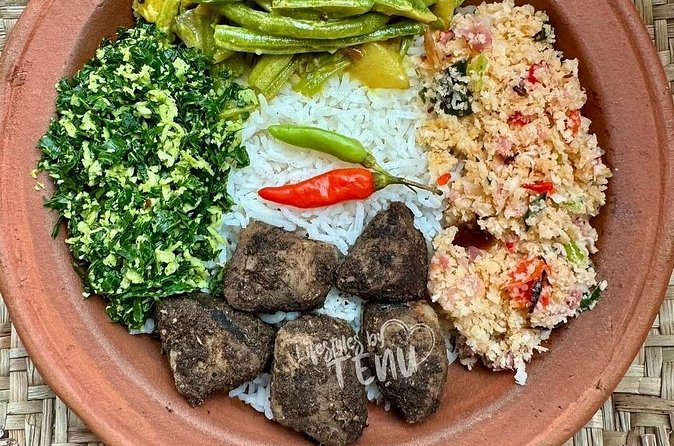
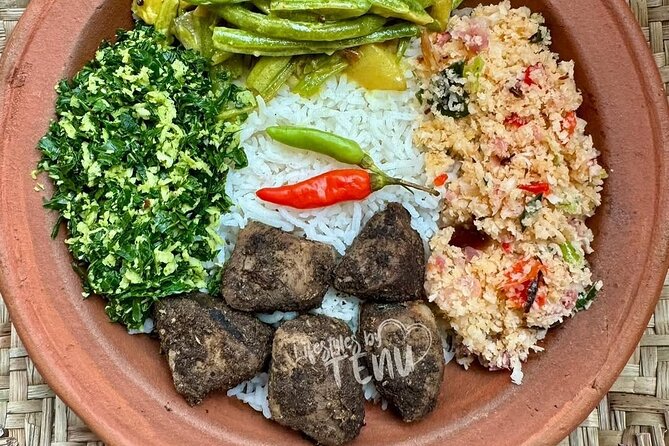
This class aims for a complete meal, not a single recipe. Expect instruction and hands-on work that can include coconut-based curries, spicy sambols, and rice dishes, with additional items depending on the ingredients you choose.
Coconut is a big deal in Sri Lankan cooking. It softens heat, rounds out spices, and helps curries taste satisfying even when the flavors are intense. Sambols, on the other hand, often deliver the sharp edges: chili, aromatics, and fresh ingredients that bring contrast.
You may work with seafood options like fish straight from the lagoon. If jackfruit is on the menu that day, you might get to learn how that ingredient becomes a curry rather than just a fruit. Even if you are not sure what you will make exactly, the structure of the class is designed so you leave with a sense of how Sri Lankan meals fit together.
Signature flavor ingredients you will likely hear and use include curry leaves, cinnamon, chili, and fresh herbs. These are not random add-ons. They help create the specific scent profiles Sri Lankan food is known for, and learning where they belong in the cooking process helps you replicate the flavor at home.
From an experience standpoint, I like that you leave with more than taste. You leave with technique. If you can make a curry base, get sambol balance right, and manage rice cooking, you can scale these skills into meals long after your trip ends.
Also, don’t be surprised if you end up with dishes described as tuna curry or devilled prawn curry depending on the day’s choices. People highlight those as standout examples because they require real spice handling, not just opening a jar.
Where else to spend in Negombo

Transfers, group size, and tickets: small details that affect comfort
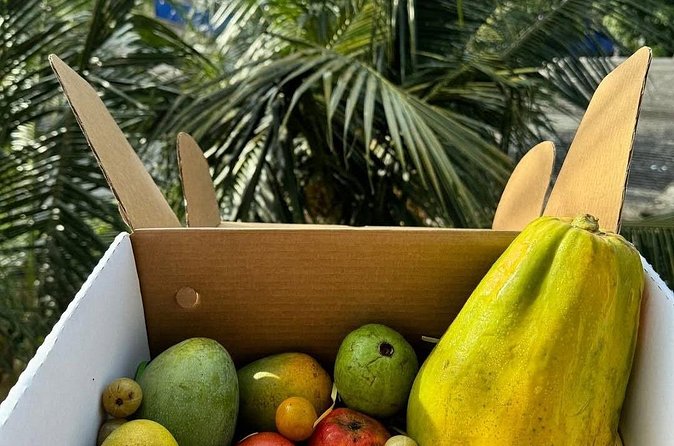
This is a private tour/activity, meaning only your group participates. That matters because cooking classes can feel awkward when multiple strangers are competing for attention in the kitchen. Here, your pace and questions are more likely to stay on track.
Pickup is included from Negombo hotels, and drop off back in Negombo is part of the plan. The drive times are short, which helps you arrive focused instead of hungry and stressed. The market and kitchen blocks are time-boxed, so you should plan to eat lightly before the class. You will end up with a full meal at the end.
Mobile ticketing is listed, which is convenient if you prefer to keep everything on your phone. It is also a small plus if you hate digging through paper confirmations while you are trying to find your driver.
There is also mention of group discounts. If you are traveling with friends or family and want to split the logistics, this can improve value and keep the experience feeling personal rather than rushed.
Price and value: is $70 per person fair for 3 hours?
At $70 per person, this is not an impulse price. But for a hands-on market plus cooking experience in Negombo, it can feel fair if you treat it like a food education, not just a meal.
Here is the value logic I use:
- You get a market visit plus cooking instruction, which most single-dish “dinner experiences” do not include.
- You get time with a local host, and the cooking session is long enough to do real steps, not just watch.
- You are leaving with repeatable skills, like how to use spice layers and coconut balance.
Also, because it is private and includes pickup, you are paying for convenience and access. If you are already planning to eat in Negombo anyway, compare the price to what you would spend on a good meal plus a guide for ingredient learning. This format stacks those parts together.
One reason this may feel pricey is if you only want one recipe and do not care about the market-learning side. If that is you, look for a simpler cooking option. If you want Sri Lanka through food culture, this one tends to deliver.
The fact that it is often booked around 35 days in advance suggests demand, which also hints that this is a popular style of activity during stays in Negombo. If you know your dates, booking ahead can help you secure the pickup window that fits your schedule.
Who should book this Negombo market and cooking class
This is a strong fit if you:
- Want hands-on cooking, not just a meal
- Enjoy food markets and want to learn ingredient choices
- Like coastal Sri Lanka and want a Negombo-based cultural experience
- Cook at home and want recipes you can actually repeat
It also works well for couples or small groups because the tour is private. Even solo travelers can enjoy it, since private format means you are not blending into a large crowd.
If you are the type who gets overwhelmed by new spice intensity, you can still benefit. The class is designed around guidance and learning technique, and the host support is a highlighted part of the experience.
If your schedule is very tight, consider the fixed pickup windows (am or evening). You will need to adjust plans around the market and cooking blocks to make it feel smooth.
Quick tips to get the most out of the market-to-kitchen flow
Wear something comfortable for walking through a market and for standing at a cooking station. Bring a light layer if you get cool easily in shared vehicle rides. Also, keep your phone handy, but focus on learning first. You can take pictures of finished dishes after the cooking starts.
In the market, ask questions while you are looking at ingredients. That is where you will get the most practical info, like what to use for scent, what to use for heat, and how to balance coconut with spice. The whole point is to turn the shopping into cooking confidence.
Finally, go hungry in the best way. You will finish with the meal you create, and you will enjoy it more if you do not arrive stuffed.
Should you book this cooking class and market visit?
Book it if you want to understand Sri Lankan flavor building from the source, starting at the market and ending with a full meal you cooked yourself. The market shopping approach, the hands-on home-kitchen instruction, and the chance to learn from an attentive host like Shashi are the reasons this experience consistently scores well.
Skip it if your schedule cannot handle a fixed 3-hour block, or if you only want a quick tasting without ingredient learning. Also, if $70 per person feels too steep for you, it might be better to invest in a couple of great meals and do cooking only through cooking videos and online recipes.
If you are in Negombo and you care about food, this is one of the more practical ways to take Sri Lanka home with you, not just on camera.
FAQ
Where does the experience start?
The experience starts in Negombo, Sri Lanka, with pickup offered from your Negombo hotel.
How long does the cooking class and market visit take?
It lasts about 3 hours (approx.).
When are the pickup times?
Pickup is offered in two windows: 11:00 AM to 12:00 PM, and 6:00 PM to 7:00 PM.
How long do you spend at the market?
You spend about 30 minutes visiting the Negombo Vegetable Market.
How long is the cooking class portion?
The cooking class portion is about 1 hour and 30 minutes.
Is hotel pickup and drop off included?
Yes. You are picked up from your hotel, you visit the market and cooking location, and then you are dropped back in Negombo.
Is this a private tour?
Yes. It is a private tour/activity, and only your group participates.
Do you get a mobile ticket?
Yes, a mobile ticket is provided.
Can I cancel for free?
Yes. You can cancel up to 24 hours in advance for a full refund. If you cancel less than 24 hours before the start time, the amount you paid is not refunded.
Where Else to Spend
- Negombo Private Tour: Market, Temples & Canal★ 4.9 · 15 reviews
More Tour Reviews in Negombo
- AirPort CMB to Colombo (Private Taxi 24/7) Car, Van, Minibus★ 5.0 · 604 reviews
- 8 Days tour in Sri Lanka with privet driver and accommodations★ 5.0 · 472 reviews
- Negombo city tour by Tuk Tuk Hotel Pickup & Guide★ 5.0 · 221 reviews
- Private Car & Driver for 07 Days Tour In Sri Lanka★ 5.0 · 199 reviews
- Sri Lanka Private Tour 8 days-Driver/vehicle/accommodation H/B★ 5.0 · 161 reviews
Negombo, Keep Going
- Negombo city tour by Tuk Tuk Hotel Pickup & Guide★ 5.0 · 221 reviews
- Wilpattu National Park Jeep Safari from Negombo / Waikkal (All Inclusive)★ 5.0 · 112 reviews
- Motorcycle Rental in Negombo★ 5.0 · 103 reviews
- Half-Day Negombo City Tour with Ayurvedic Massage & Local Lunch★ 5.0 · 87 reviews
- From Negombo: Wilpattu National Park Safari Guided Day Tour★ 3.8 · 55 reviews
Other Negombo days out to weigh up




Negombo Coast & Village Tours, compared.
 ★ 4.5Southern Sri Lanka Sightseeing Day Trip From Colombo & NegomboFrom $85128 reviews
 ★ 5.0Wilpattu National Park Jeep Safari from Negombo / Waikkal (All Inclusive)From $152112 reviews
 ★ 5.0Half-Day Negombo City Tour with Ayurvedic Massage & Local LunchFrom $5287 reviews
 ★ 4.5Dambulla & Sigiriya Day Tour from Colombo / Negombo with LunchFrom $6957 reviews
 ★ 3.8From Negombo: Wilpattu National Park Safari Guided Day TourFrom $10555 reviews
 ★ 5.0Private Trip to Sigiriya, Dambulla & safari from Colombo/ NegomboFrom $6744 reviews
 ★ 5.0Negombo City Tour by Tuk Tuk with hotel pickupFrom $2542 reviews
Where else this tour turns up