
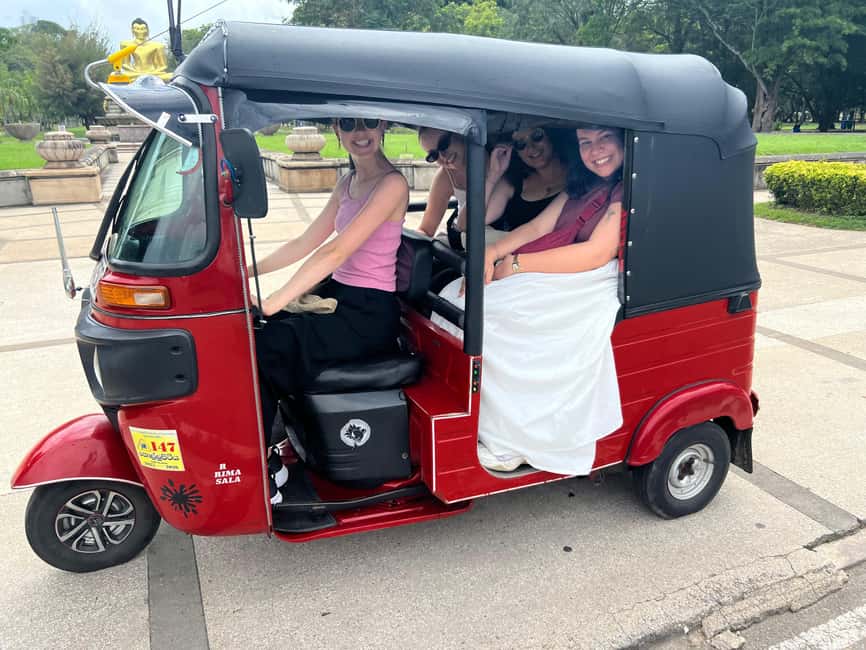
Colombo by tuk-tuk, temple and tide.
Pettah market runs, Galle Face at sunset, the long drive out to the rock at Sigiriya. What each trip is really like, what it costs, and where to book it.
Seven bookings that make the trip.
First visit or fifth, these are the ones travellers come home talking about: the three-wheeler loop through Fort and Pettah, an elephant morning at Udawalawe, the day the road runs all the way north to Sigiriya.
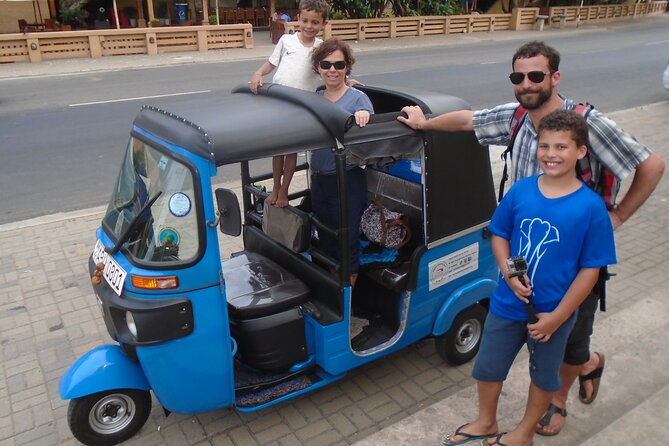
Colombo Tuk Tuk City Tour -Sightseeing Entry Fees & Food Included
Private 4-hour Colombo tuk tuk tour with hotel pickup, Fort and Pettah markets, tea tasting, and food included, plus key landmark stops.
From $34 per person
Read the review →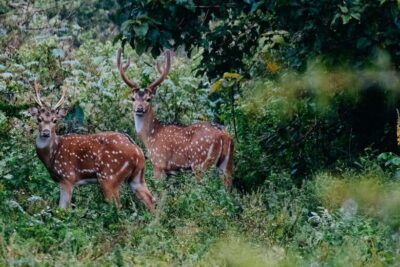 ★ 4.9Safe betUdawalawe National Park: Elephant Safari with Expert GuideFrom $30641 reviews
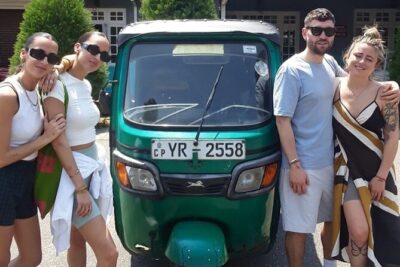 ★ 5.0Fills up earlyColombo Private Tuk-Tuk City Tour with All Entry Fees IncludedFrom $32524 reviews
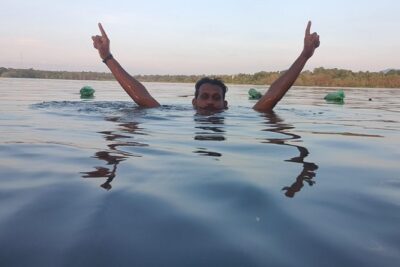 ★ 5.0Local favourite8 Days tour in Sri Lanka with privet driver and accommodationsFrom $665472 reviews
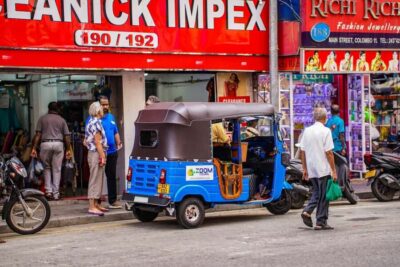 ★ 4.9Worth the rupeesPrivate Tuk-Tuk City Tour with Guide & All TicketsFrom $22471 reviews
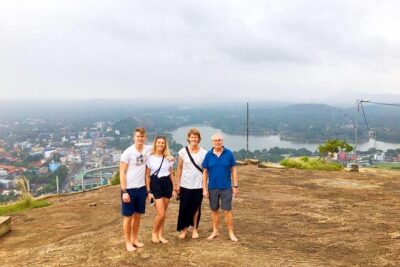 ★ 5.0Easy win08 Nights in Magical Sri LankaFrom $690443 reviews
Books again and againTuk Trip is Very Cheap in Colombo (All-inclusive ) city tourFrom $24260 reviews
★ 5.0Easy win08 Nights in Magical Sri LankaFrom $690443 reviews
Books again and againTuk Trip is Very Cheap in Colombo (All-inclusive ) city tourFrom $24260 reviews
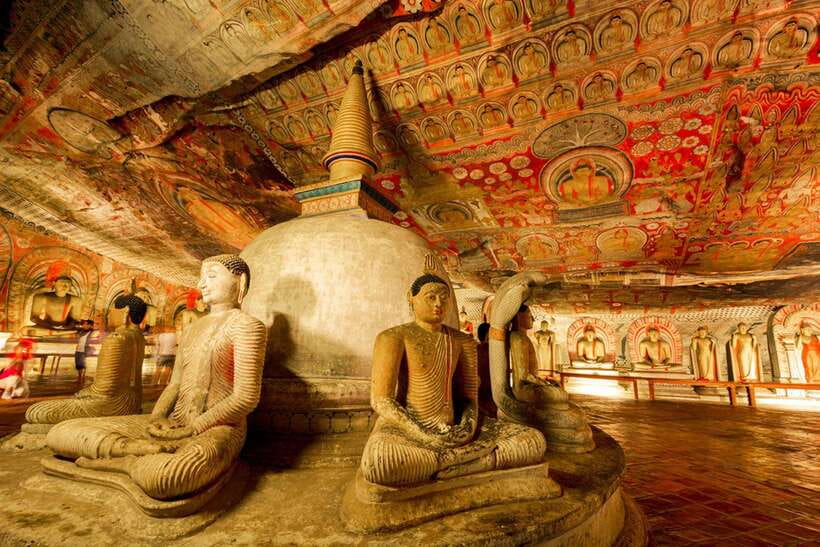
The rock is worth the early start.
Out of Colombo by four, up the Lion Rock steps before the heat lands, then the gold Buddhas in the Dambulla caves on the way back. Some trips bolt on a jeep hour at Minneriya. Twelve hours, one long drive, and the photograph everybody comes home with.
How far do you go from Colombo?
Almost every trip here splits three ways: stay in the city, run south along the coast, or drive north to the rock and the cave temples. Pick the shape of the day and the bookings behind it are priced and rated already.
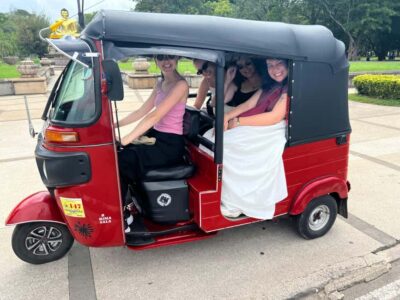 Stay in town
The city day
4 hours · from $23 · 2,154 reviews
Fort and Pettah on three wheels while it is still cool, the Gangaramaya lake temple at midday, tea in the Dutch Hospital courtyard, then Galle Face Green at sunset with an isso wade in hand. Half a day covers it; a full day does it properly.
See the city tours →
Stay in town
The city day
4 hours · from $23 · 2,154 reviews
Fort and Pettah on three wheels while it is still cool, the Gangaramaya lake temple at midday, tea in the Dutch Hospital courtyard, then Galle Face Green at sunset with an isso wade in hand. Half a day covers it; a full day does it properly.
See the city tours →
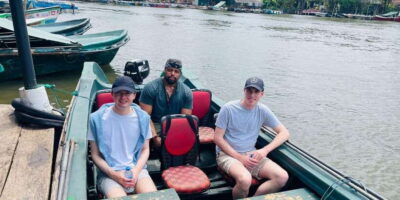 Head south
The coast run
12 - 14 hours · from $45 · 200 reviews
Two hours down the expressway to the Galle ramparts, turtles at Kosgoda, an hour on the Madu Ganga among the mangrove islands. Forts, beaches and a rice-and-curry lunch that runs to ten dishes. Back in Colombo before dinner.
See the Galle days →
Head south
The coast run
12 - 14 hours · from $45 · 200 reviews
Two hours down the expressway to the Galle ramparts, turtles at Kosgoda, an hour on the Madu Ganga among the mangrove islands. Forts, beaches and a rice-and-curry lunch that runs to ten dishes. Back in Colombo before dinner.
See the Galle days →
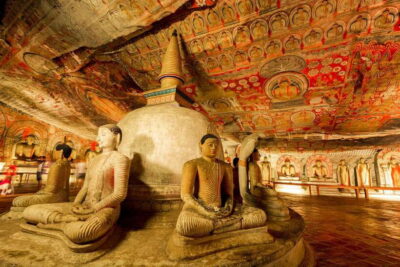 Drive north
The rock day
1 day · from $48 · 189 reviews
A pickup in the dark, 1,200 steps up Sigiriya with the frescoes halfway, gold Buddhas in the Dambulla caves after lunch, sometimes a jeep hour in the park. The longest day on this site and the one nobody regrets booking.
See the Sigiriya days →
Drive north
The rock day
1 day · from $48 · 189 reviews
A pickup in the dark, 1,200 steps up Sigiriya with the frescoes halfway, gold Buddhas in the Dambulla caves after lunch, sometimes a jeep hour in the park. The longest day on this site and the one nobody regrets booking.
See the Sigiriya days →
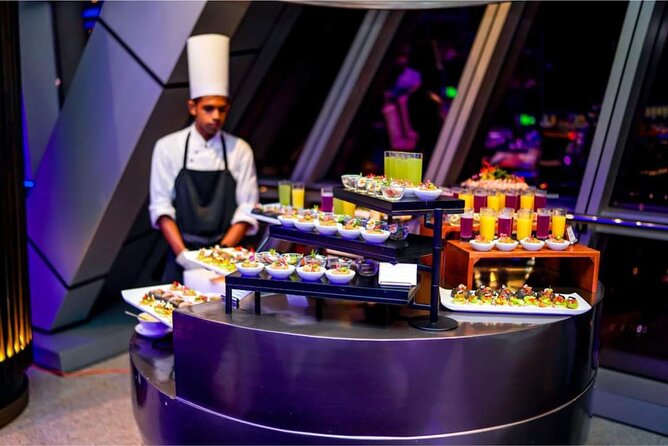
Colombo likes you better at night.
The Lotus Tower switches on over Beira Lake, Galle Face fills with families and kottu grills going at double time, and the food streets get properly busy around nine. The heat drops, the traffic thins, and the city finally slows down enough to enjoy.
Kottu, hoppers and short eats.
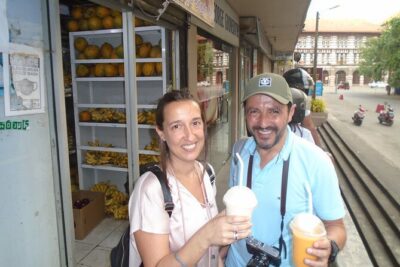
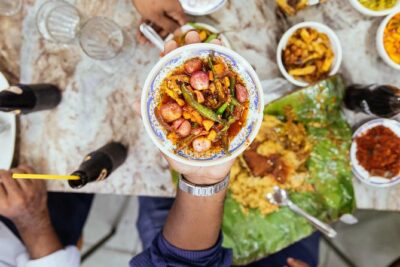
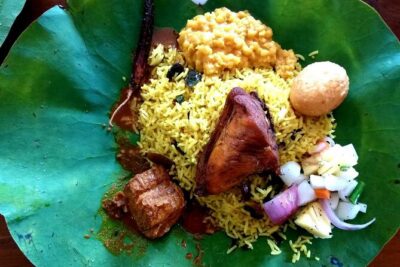
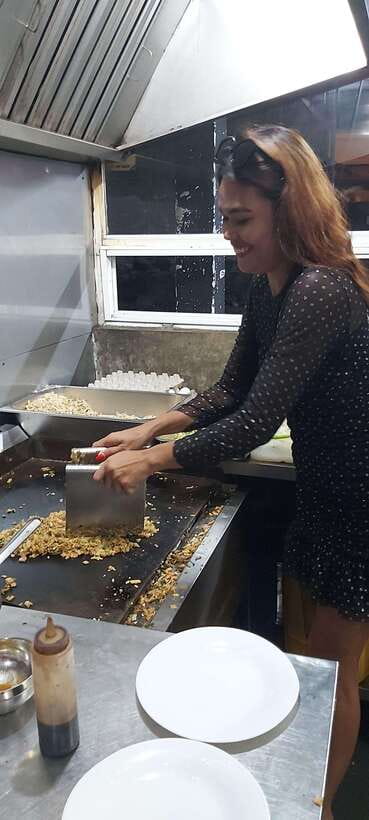
Colombo eats standing up. Egg hoppers folded at a roadside pan, kottu chopped to a rhythm you hear from the next street, crab curry that needs a bib and a second napkin. Three hours of it is a proper introduction.
The whole city fits down a lane.
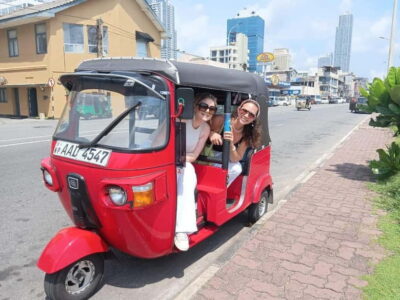
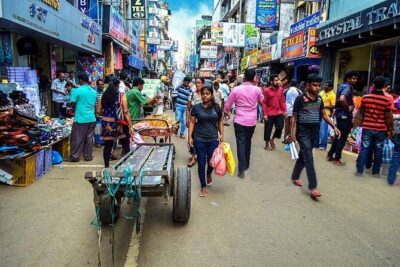
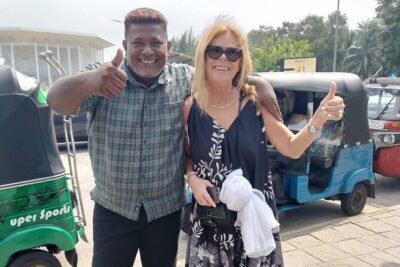
A tuk-tuk gets through gaps no car will try. Pettah’s wholesale streets, the goldsmiths on Sea Street, the fish landing at Negombo before the ice melts. Pick a driver who stops whenever you ask him to.
The hills keep their own time.
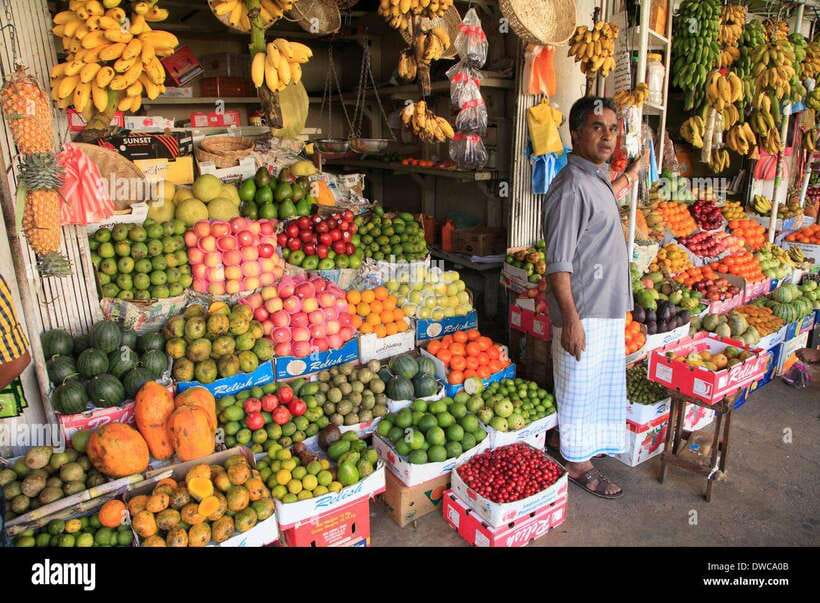
Three hours inland the air cools by ten degrees. The road climbs past the elephants at Pinnawala and a working tea factory where they will let you taste the first flush, and then Kandy’s lake appears under the temple that holds the Buddha’s tooth. Go up for a day, or let the day turn into a longer loop.
Where a Colombo trip actually goes.
The city is the base and the days spread out from it. Fort and Pettah for the markets. Negombo for the lagoon and the fish auction. Galle for the ramparts. Sigiriya when you want the long drive north.

Twelve ways to spend one here.
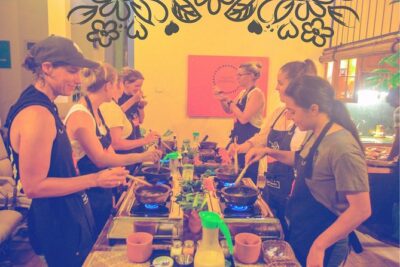
Markets, ramparts, jeep tracks, a kitchen with a coconut scraper bolted to the bench. Start from the sort of day you want rather than from a map, and the rest sorts itself out.
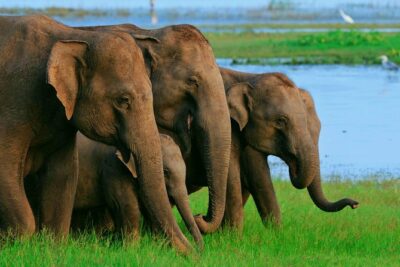
Leave early, sleep in Colombo.
The southern expressway reaches Galle in two hours; the northern road gets you onto the rock before the heat does. Six trips that start and finish at your Colombo hotel, driver included in the price.
A first Colombo trip, in order.
Three days is enough to see the city properly and still get one long day out of it. Run them in this order and the driving lands where you want it.
Day 1
Get your bearings
Fort and Pettah by tuk-tuk while the morning is still cool, Gangaramaya at midday, then Galle Face Green for the sunset crowd and whatever the grills are selling.
Plan day one →
Day 2
Down the coast
The expressway south, an hour walking the Galle ramparts, turtles at Kosgoda and the Madu river on the way home. Swim if the sea is behaving that week.
Plan day two →
Day 3
The long drive north
Out before dawn, up the rock before the heat, cave temples at Dambulla after lunch. Sleep on the drive back; you will have earned it by then.
Plan day three →
Latest Colombo tour reviews.
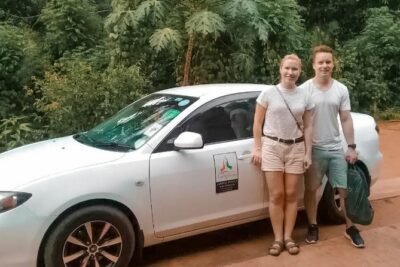 ★ 5.0Transfer between colombo Airport (CMB) and Marino Beach, ColomboFrom $163 reviews
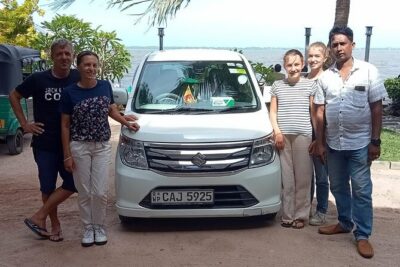 ★ 5.0Airport transfer to ArugambayFrom $1503 reviews
 ★ 4.4Yala Safari All-Inclusive Package with Convenient Pick UpFrom $1443 reviews
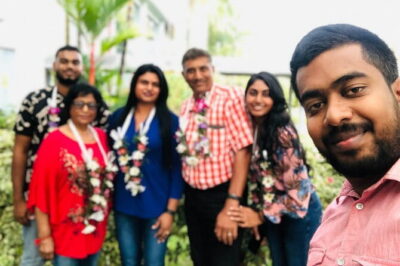 ★ 5.0Airport Pick-up from Colombo Airport to KandyFrom $553 reviews
 ★ 5.08 Days Tour Sri Lanka (Hotels, Breakfast, Dinner & Luxury Car)From $5953 reviews
 ★ 4.503 Days Highlights Of Sigiriya, Kandy, Nuwara Eliya , Ella & UdawalaweFrom $4423 reviews
 ★ 5.0Ten Days Scenic Sri LankaFrom $9203 reviews
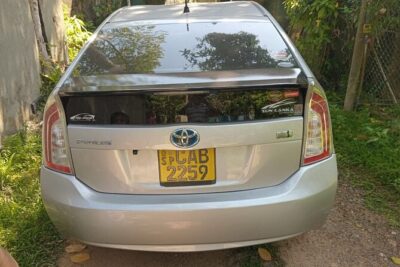 ★ 5.0Colombo Airport (BIA) to Galle Private Airport TransferFrom $493 reviews